
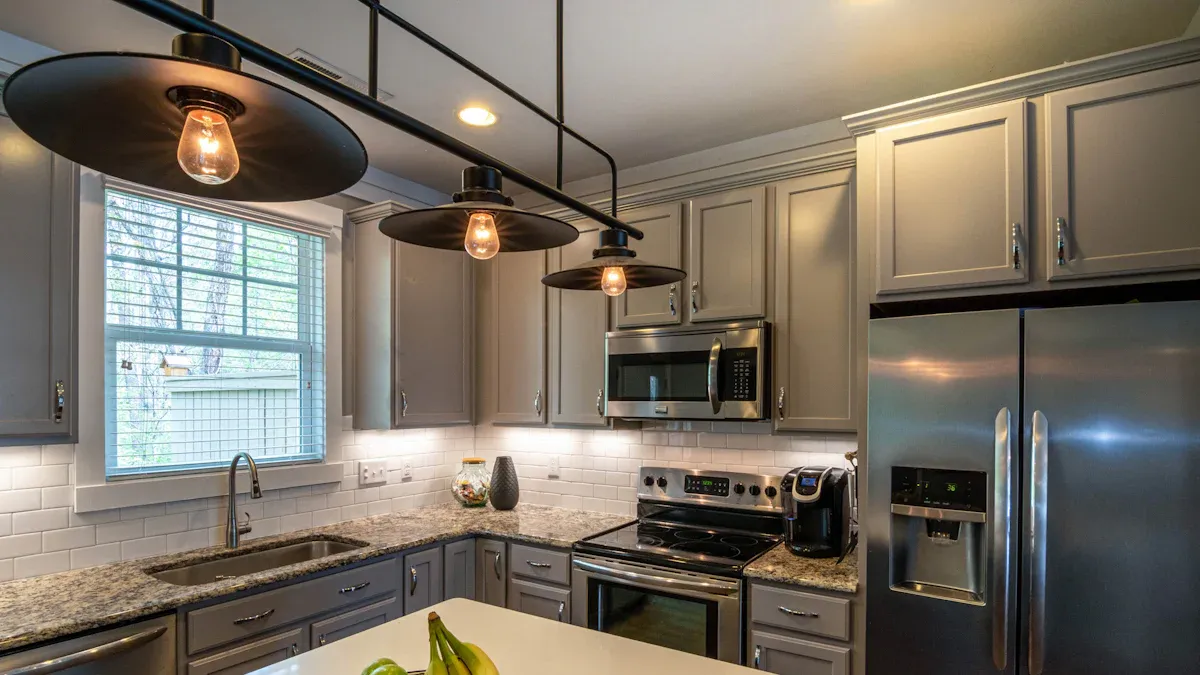
Which Pendant Lights Are Better for Kitchen Islands: Modern or Traditional
Choosing the right pendant lights for your kitchen island can feel like a big decision. Do you want something sleek and modern or a design that leans more traditional? The answer depends on what suits your space and style. Modern lights often bring a fresh, minimalist vibe, while traditional ones add warmth and charm. It’s all about finding a light island pendant that enhances your kitchen’s personality and meets your practical needs.
Key Takeaways
-
Modern pendant lights have simple designs and use LED bulbs. They look stylish and save energy, which is good for the planet.
-
Traditional pendant lights feel warm and cozy. They have detailed designs and materials that make your kitchen feel inviting.
-
Think about your kitchen's size and style before picking lights. Big lights work in large kitchens, while small ones fit tiny spaces.
-
Use layers of light by mixing pendant lights with under-cabinet lights. This gives you bright light for work and soft light for the room.
-
Plan your budget by looking at costs now and later. Energy-saving lights can cut bills and make your home worth more.
Modern Pendant Lights for Kitchen Islands
Features of Modern Pendant Lights
Modern pendant lights mix style and usefulness. They often have simple shapes, smooth edges, and creative materials that fit well in today’s kitchens. Many use LED bulbs, which save energy and last longer than older bulbs. You can choose from small, simple designs to large, eye-catching fixtures.
Here’s a quick overview of popular features:
|
Design Feature |
Description |
|---|---|
|
Light Sources |
LED bulbs last long and save electricity. |
|
Fixture Types |
Includes pendants, chandeliers, and track lighting. |
|
Oversized Pendants |
Big designs that stand out above islands. |
|
Natural Materials |
Uses wood and metal for a modern touch. |
|
Layering Light Sources |
Mixes pendant lights with under-cabinet lighting for variety. |
These features make modern pendant lights flexible for different kitchen looks.
Benefits of Modern Pendant Lights
Modern pendant lights are not just stylish—they’re useful too. LED bulbs can cut your energy costs by up to 80%, making them eco-friendly. Plus, they last for thousands of hours, so you won’t replace them often.
Other benefits include:
-
Many are made from materials that can be recycled, helping the planet.
-
They come in many styles, from simple to rustic, to match your kitchen.
-
They are strong and stay in good shape for years.
If you want lights that are pretty, efficient, and long-lasting, modern pendant lights are a smart choice.
Best Uses for Modern Pendant Lights in Kitchen Lighting
Modern pendant lights work great over kitchen islands. They give focused light, making it easier to cook or eat. For small kitchens, flush mount lights save space while looking nice.
Think about your kitchen size when picking pendant lights. Big pendants look good in large kitchens, while smaller ones fit tight spaces. Adding under-cabinet lights with pendants creates layers of light for both function and mood.
With kitchen lighting expected to grow to $19 billion by 2028, pendant lights are becoming a must-have. Whether you’re remodeling or just updating, modern pendant lights can easily improve your kitchen.
Traditional Pendant Lights for Kitchen Islands
Characteristics of Traditional Pendant Lights
Traditional pendant lights add a classic feel to kitchens. They often have detailed designs, warm colors, and materials like brass or iron. These lights have changed over time, starting with fancy styles from the 17th century. Later, they became simpler during the mid-century modern era. Today, they mix beauty with usefulness, fitting well in vintage or rustic kitchens.
Here are some common features:
-
Detailed patterns inspired by old-fashioned designs.
-
Warm colors that make spaces feel cozy.
-
Materials like wood, glass, and metal for a timeless look.
-
Shapes like bell fixtures or lantern designs.
If you want lights that are stylish and full of character, traditional pendant lights are a great option.
Advantages of Traditional Pendant Lights
Traditional lights are not just pretty—they’re useful too. They create a cozy feeling, making your kitchen feel welcoming. Their soft light works well for general lighting, while focused beams help with tasks like cooking or plating food.
Other benefits include:
-
Flexible designs that match farmhouse, vintage, or mixed-style kitchens.
-
Strong materials that last for years.
-
Many styles to show off your personality in your kitchen.
With traditional pendant lights, you get both charm and practicality for your kitchen.
Best Uses for Traditional Pendant Lights in Kitchens
Traditional pendant lights work well for kitchens needing style and function. They’re great for lighting up areas where you cook or prepare food.
Here’s how to use them:
-
Place them over your kitchen island for task lighting.
-
Pick lights that fit your island size and ceiling height.
-
Use them in rustic, vintage, or mixed-style kitchens for a better look.
These lights let you show your style while improving your kitchen’s use. Whether hosting friends or having dinner, traditional pendant lights make your kitchen warm and inviting.
Key Factors to Think About When Picking Pendant Lights for Kitchen Islands
Matching Your Kitchen’s Style and Look
Picking pendant lights for your kitchen island means thinking about your kitchen’s style. The lights should match the look of your space without being too much. First, check the size of your kitchen. Big lights can feel too large in small kitchens, while tiny ones might not stand out in big spaces.
Think about the finishes, too. They don’t have to match your cabinets or appliances exactly, but they should look good together. For instance, brushed nickel lights go well with stainless steel appliances. Matte black lights can add a nice contrast to lighter colors.
Tip: Make a mood board to see how your lights will look with other parts of your kitchen. This helps you avoid mismatched styles and keeps everything looking good together.
Here’s a simple guide to keep in mind:
|
Aspect |
What to Think About |
|---|---|
|
Style |
Matches the vibe of your kitchen and home. |
|
Shape |
Fits the design and keeps the space balanced. |
|
Finish |
Mixes finishes while keeping a matching look. |
|
Scale |
Makes sure the light size fits the space and other items. |
By focusing on these points, you’ll pick lights that look great and fit your kitchen perfectly.
Thinking About the Size and Shape of Your Kitchen Island
The size and shape of your kitchen island affect your light choice. A long island might need several lights spaced out evenly. A smaller island might only need one or two lights.
Measure your island before buying lights. A good rule is to leave about 30 inches between the bottom of the light and the island’s surface. This gives enough space for tasks and keeps the lights looking nice.
Note: Your ceiling height matters, too. Tall ceilings can handle bigger lights, but shorter ceilings need smaller ones to avoid making the space feel crowded.
Here are some tips for arranging lights:
-
Use odd numbers of lights for a balanced look.
-
Space lights about 24-30 inches apart for even lighting.
-
Pick lights that match your island’s size so they don’t look too big or too small.
With kitchen lighting expected to grow from $16.2 billion in 2024 to $20.9 billion by 2030, it’s clear people care about both looks and function. By thinking about your island’s size and shape, you’ll choose lights that work well and look great.
Deciding on Lighting Needs: Task vs. Ambient Lighting
Lighting isn’t just about how it looks—it’s also about how it works. For kitchen islands, you need both task lighting and ambient lighting. Task lighting helps you see clearly when chopping food or plating meals. Ambient lighting makes the whole kitchen feel warm and cozy.
Experts suggest 50 foot-candles for food prep areas. If you’re over 65, you might need up to 100 foot-candles to see better. Many kitchens don’t meet these levels because of poor light placement or bulb choices.
To fix this, layer your lights. Combine pendant lights with under-cabinet lights for both focused and soft lighting. This mix works well for both tasks and creating a nice atmosphere.
Tip: If your kitchen gets lots of sunlight during the day, focus on ambient lighting for evenings. Darker kitchens need brighter task lighting to make up for less natural light.
By thinking about your lighting needs, you’ll create a setup that’s useful and beautiful. Whether you’re cooking, hosting friends, or enjoying a meal, the right lights make a big difference.
Budget and Long-Term Cost Considerations
Picking pendant lights for your kitchen island depends on your budget. It’s not just about the price you pay now. You also need to think about how much they’ll cost over time. Let’s break it down to help you decide.
Upfront Costs: Standard vs. Customized Options
Pendant lights come in many price ranges. Standard lights are cheaper and work well for tight budgets. They look nice and do the job without costing too much.
Customized lights, though, can make your kitchen look fancy. They often become the centerpiece of the room. These lights improve both how your kitchen looks and works. If you plan to sell your home, they might even add value.
Tip: Think of pendant lights as an investment. Spending more now could help later if you sell your home.
Long-Term Costs: Energy Efficiency and Maintenance
The bulbs and materials you pick affect future costs. Many modern kitchens use energy-saving features, including pendant lights. LED bulbs are a great choice because they use less power and last longer than older bulbs. This means lower bills and fewer replacements.
Here’s why energy-efficient lights are smart:
-
LED Bulbs Save Money: They use much less energy than older bulbs.
-
Durability: LEDs last thousands of hours, so you replace them less.
-
Eco-Friendly: Many modern lights use recyclable materials, which is better for the planet.
If you’re upgrading your kitchen, think about hidden costs. Adding new pendant lights might mean updating your electrical system. Smart features or LED setups can cost more upfront but save money later.
Maximizing Your Return on Investment (ROI)
Good lighting choices can do more than brighten your kitchen. They can also make your home worth more. Stylish pendant lights improve how your kitchen looks and works, which buyers love.
Here’s how lighting upgrades help:
-
Higher Home Value: Unique lights can increase your home’s resale price.
-
Better Experience: A bright kitchen makes cooking and hosting more fun.
-
Energy Savings: Smart systems and LED bulbs lower your utility bills.
If you’re remodeling your kitchen, think about how pendant lights fit in. Changes to plumbing or electrical systems might cost more but can make your kitchen better. These upgrades often attract buyers if you sell your home.
Note: Know your goals before spending. Are you remodeling for yourself or planning to sell? Your answer will guide how much you should spend.
By balancing upfront costs with long-term savings, you can pick lights that fit your budget and needs. Whether you choose standard or custom designs, the right lights will make your kitchen look great and work well.
Side-by-Side Comparison of Modern and Traditional Pendant Lights
Pros and Cons of Modern Pendant Lights
Modern pendant lights give your kitchen a fresh, stylish look. They’re great if you like simple designs and clean lines. These lights fit well with many kitchen styles, like modern farmhouse or industrial themes.
Here’s why modern pendant lights are a good choice:
-
Streamlined aesthetics: Simple shapes and finishes, like black or clear glass, look elegant.
-
Versatility: They match easily with different kitchen styles and hardware.
-
Durability: Strong materials help them last a long time.
-
Energy efficiency: LED bulbs save power and last much longer.
Still, modern pendant lights aren’t perfect. They might feel too plain if your kitchen has a vintage or unique style. If you want something bold, modern lights might not stand out enough.
Tip: Add colorful stools or patterned tiles to make modern lights more eye-catching.
Pros and Cons of Traditional Pendant Lights
Traditional pendant lights bring a cozy, classic feel to kitchens. They’re perfect for rustic, vintage, or farmhouse designs. These lights often have detailed patterns, rich colors, and timeless shapes like lanterns or bells.
Here’s why traditional pendant lights could work for you:
-
Character: Their designs add charm and a sense of history.
-
Cozy ambiance: Warm tones and soft light make your kitchen inviting.
-
Timeless appeal: Materials like brass, wood, and frosted glass stay stylish.
-
Flexibility: They mix well with kitchens that blend old and new styles.
But traditional lights have downsides too. They might not fit very modern kitchens. Their detailed designs can feel too much in small spaces. Cleaning them can also take extra effort if they have intricate patterns.
Note: For a lighter look, pick simpler traditional designs with soft colors and clean lines.
Making the Final Decision on Kitchen Lighting
Assessing Your Kitchen’s Overall Aesthetic
When choosing pendant lights, start by thinking about how they’ll fit into your kitchen’s overall look. Do they match the vibe you’re going for? For example, if your kitchen has a modern design, sleek finishes like brushed nickel or matte black might work best. On the other hand, a rustic or farmhouse kitchen could benefit from warm materials like wood or brass.
Pay attention to the materials and finishes of the lights. They don’t have to match everything in your kitchen, but they should complement the decor. Proportionality is also key. Oversized fixtures can overwhelm a small space, while tiny lights might get lost in a large kitchen.
Tip: Consider how the color temperature of the bulbs will affect the mood. Warm tones create a cozy feel, while cooler tones give a crisp, modern look.
By evaluating these details, you’ll ensure your pendant lights enhance your kitchen’s aesthetic without clashing with the existing design.
Balancing Functionality with Style
Pendant lights should look great, but they also need to work well. Think about how you’ll use your kitchen island. Will you be chopping vegetables, hosting friends, or both? Combining task and ambient lighting can give you the best of both worlds.
Layered lighting is a smart way to balance style and function. For example, you can pair pendant lights with LED strips under your cabinets. This setup provides focused light for tasks and a soft glow for a relaxed atmosphere. Hidden installations, like recessed LED channels, can also add a modern touch while keeping the lighting practical.
Pro Tip: Use dimmer switches to adjust the brightness based on what you’re doing. This flexibility makes your kitchen lighting more versatile and user-friendly.
By blending functionality with style, you’ll create a space that’s both beautiful and practical.
Choosing Based on Budget and Future Goals
Your budget plays a big role in your decision. Standard pendant lights are affordable and work well for most kitchens. If you’re looking to make a statement, custom designs might be worth the investment. They can become a focal point and even increase your home’s value if you plan to sell.
Energy efficiency is another factor to consider. Modern kitchens benefit from LED bulbs, which use less energy and last longer. Smart lighting options, like motion sensors or app-controlled bulbs, can save you money in the long run.
Note: If you’re remodeling, think about how your lighting choices fit into your long-term goals. Are you designing for your own enjoyment or preparing to sell your home? Your answer will guide how much you should spend.
By balancing your budget with your future plans, you’ll make a choice that works for you now and later.
Deciding on modern or traditional pendant lights depends on your needs. Each style has unique benefits that can change your kitchen’s look.
-
Modern pendant lights have bold designs that make your kitchen stylish.
-
Traditional pendant lights bring a cozy, classic feel to the space.
-
Both styles help with lighting tasks and create the right mood.
Consider your kitchen’s style, how much light you need, and your taste. Whether you like sleek, modern lights or timeless, classic ones, the right choice will improve your kitchen’s appearance and atmosphere.
FAQ
What height should pendant lights hang above a kitchen island?
Hang pendant lights 30-36 inches above the island. This height gives space for tasks and looks nice. Adjust for taller ceilings if needed.
How many pendant lights are needed for a kitchen island?
The number depends on the island’s size. For a 6-foot island, use two or three lights. Odd numbers create a balanced and pleasing look.
Can modern and traditional pendant lights be mixed in one kitchen?
Yes, mixing styles is possible with careful planning. Pair modern lights with traditional accents for a unique design. Make sure finishes and colors match well.
Are LED bulbs good for pendant lights?
LED bulbs are a great choice. They last longer, save energy, and need less upkeep. They’re perfect for energy-efficient kitchen lighting.
Do pendant lights give enough light for cooking?
Pendant lights can brighten cooking areas when placed correctly. Combine them with under-cabinet or recessed lights for better overall lighting.