
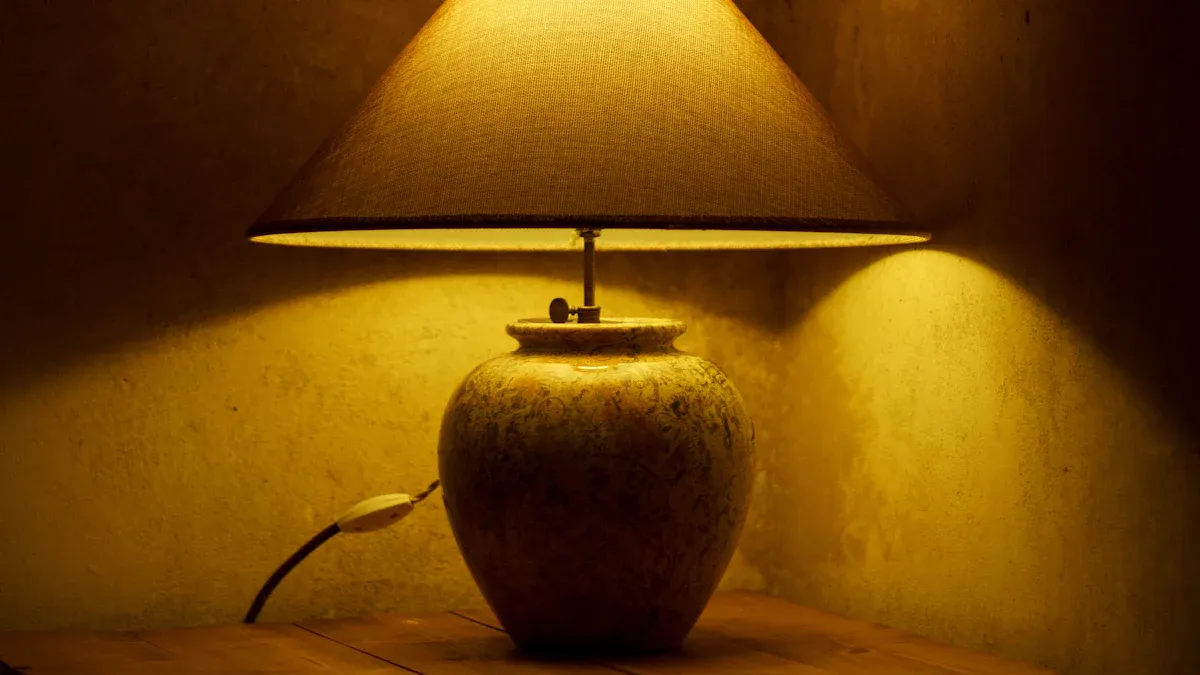
Lamps are important in your everyday life. They provide light and enhance the style of your home. Understanding the parts of a lamp helps you choose the right one. Every component of a lamp, from the sturdy base to the bulb, plays a crucial role in its functionality and aesthetic appeal.
People are buying more lamps all over the world. By 2025, the lamp and lighting market could reach $86.62 billion. In the U.S., this market might hit $33 billion. Many individuals now prefer energy-saving LED lamps. These trends highlight the importance of selecting the right lamp, whether for visual appeal or energy efficiency.
Key Takeaways
-
Lamps have different parts: base, pole, bulb, and lampshade. Each part has a special job.
-
Picking the right bulb helps save energy. LED bulbs use less power and last longer than others.
-
The lamp's base helps it stay steady and look nice. A wide base stops it from falling over and adds style.
-
Lampshades control how light spreads. They make light softer and can make your room look better.
-
Taking care of your lamp is important. Check the wires and clean it to keep it safe and working well.
The Base of the Lamp
What is the Base?
Definition and Purpose
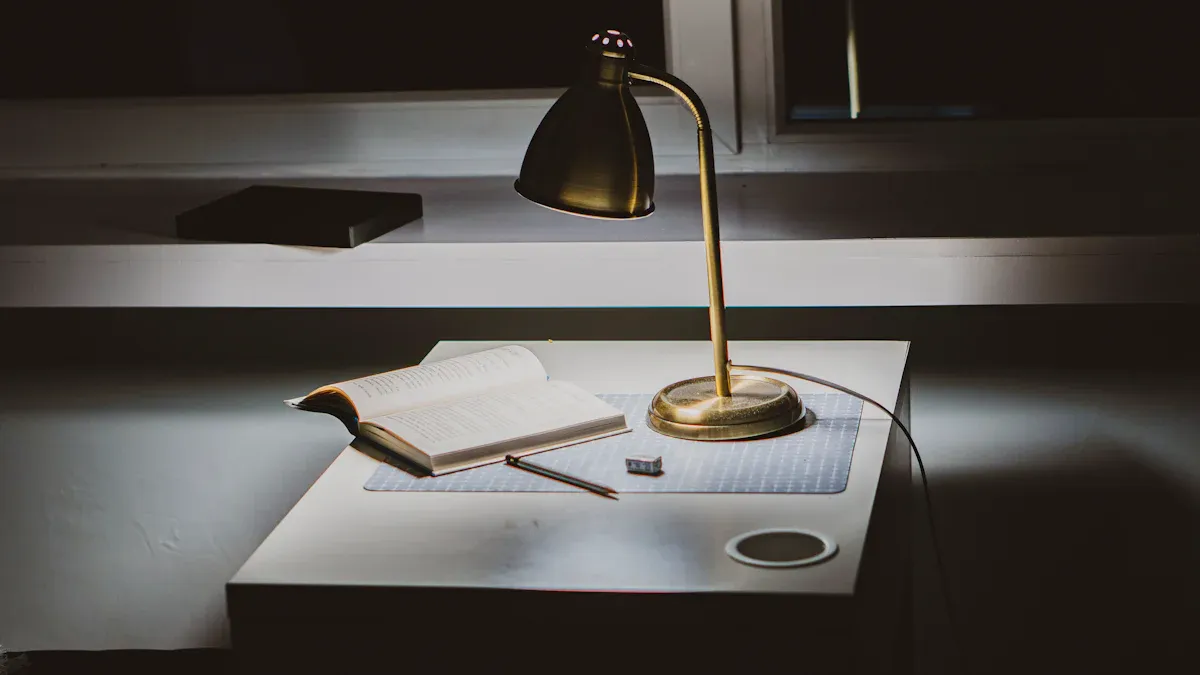
The base is the bottom part of a lamp. It holds the lamp steady and keeps it from falling. Without a strong base, the lamp might tip over and be unsafe. The base also adds to the lamp's look, matching its style and making it more attractive.
Common Materials Used
Lamp bases are made from different materials, each with its own pros and cons. Here's a simple table showing some common materials:
|
Material |
Pros |
Cons |
|---|---|---|
|
Metal |
Strong, lasts long, modern look, adjustable features |
Heavy, costly, needs care to avoid rust |
|
Glass |
Stylish, reduces glare, looks elegant |
Breaks easily, expensive, less durable than metal |
|
Plastic |
Light, cheap, hard to break |
Can look low-quality, wears out in heat |
|
Ceramic |
Long-lasting, heat-resistant, looks nice |
Heavy, fragile, pricey |
|
Wood |
Eco-friendly, customizable, durable |
Can get damaged by water or bugs, needs upkeep |
Types of Lamp Bases
Flat Base
A flat base is simple and easy to use. It keeps the lamp steady and works well for daily use. This base fits modern and clean designs.
Weighted Base
A weighted base makes the lamp extra stable. It’s great for tall lamps like floor lamps, as it stops them from falling. These bases often use heavy materials like metal or ceramic.
Decorative Base
A decorative base is both useful and stylish. It may have fancy designs, patterns, or shapes. This type of base makes the lamp stand out in a room.
How the Base Affects Stability and Design
The base is important for keeping the lamp steady and looking good. A wide base helps stop the lamp from tipping over. The base design also changes how the lamp looks. For example:
-
A shiny metal base matches a modern lamp style.
-
A wooden base gives a cozy feel to a traditional design.
When picking a lamp, think about how the base fits your room’s style and the lamp’s job. A good base not only holds the lamp but also makes your space look better.
The Pole or Stem
What is the Pole?
Definition and Purpose
The pole, also called the stem, is the upright part of a lamp. It connects the base to the bulb and socket. The pole gives support and decides how tall the lamp is. It also adds to the lamp's look and usefulness. For instance, tall poles are great for floor lamps, while short poles fit table lamps better.
Materials Commonly Used
Lamp poles are made from strong and good-looking materials. Here are two common choices:
|
Material |
Benefits |
Why People Like It |
|---|---|---|
|
Steel |
Very strong, lasts long, low upkeep, affordable |
Stable, reliable, long-lasting |
|
Aluminum |
Doesn’t rust, light, easy to carry |
Cheaper to move |
Steel poles are tough and long-lasting. Aluminum poles are light and simple to move. Both materials keep the lamp steady and stylish.
Types of Poles
Adjustable Poles
Adjustable poles let you change the lamp's height. These poles are great for places like reading nooks or work desks. You can make the pole taller or shorter to shine light where you need it.
Fixed Poles
Fixed poles stay at one height and are common in classic lamps. They are sturdy and often used in lamps that focus on looks instead of flexibility.
How the Pole Contributes to Lamp Height and Style
The pole affects how tall and stylish a lamp is. A tall pole works well in big spaces, like floor lamps. Short poles make smaller rooms feel cozy. The pole’s design also changes how the lamp looks. For example:
-
Simple poles with straight lines match modern rooms.
-
Fancy poles with detailed designs look great in classic spaces.
Poles hold the light at the right height for good lighting. This helps with safety and visibility, especially in large areas. Picking the right pole height and style lets you match the lamp to your room’s look and lighting needs.
Tip: Think about the pole’s height and design when choosing a lamp. A good pole not only supports the lamp but also makes it look better.
The Bulb and Socket
What is the Bulb?
Definition and Function
The bulb is the part of a lamp that makes light. It changes electricity into light, brightening your room. Without the bulb, the lamp cannot give light. Bulbs come in many shapes, sizes, and types. Each type fits different lighting needs and improves how the lamp works.
Types of Bulbs
Picking the right bulb is key for good brightness and saving energy. Here are some common types:
-
LED Bulbs: These save the most energy and last very long. They can work for up to 100,000 hours and use less power.
-
Incandescent Bulbs: These give a warm glow but use more energy. They last about 1,200 hours, which is much shorter.
-
CFL Bulbs: These are compact and balance cost with energy savings. They last around 8,000 hours and give 40 to 90 lumens per watt.
|
Bulb Type |
Lifespan (hours) |
Power Use (W) |
Energy Savings |
|---|---|---|---|
|
LED |
25,000 - 50,000 |
12 |
High |
|
Incandescent |
1,200 |
60 |
Low |
|
CFL |
8,000 |
15 |
Moderate |
Note: LED bulbs save four to five times more energy than incandescent ones. This makes them a top choice for eco-friendly lighting.
What is the Socket?
Definition and Purpose
The socket holds the bulb and connects it to the lamp’s wires. It keeps the bulb secure and provides electricity for it to work. The socket is important for the lamp’s safety and performance.
Common Socket Types
Different sockets fit different bulbs and lighting needs. Here are two common ones:
-
E26 Socket: This is the standard size for most home lamps. It works with many bulb types.
-
E12 Socket: This smaller socket is used in decorative lamps or chandeliers.
The socket you choose affects how much power the lamp can handle and which bulbs will fit.
How the Bulb and Socket Work Together
The bulb and socket work as a team to make the lamp efficient. Here’s how they help each other:
-
The socket’s design decides how much power the bulb can use. This makes it easier to use energy-saving bulbs like LEDs.
-
A well-placed socket spreads light evenly, making the lamp more useful.
-
Strong sockets last longer, so you don’t need to replace them often. This helps save resources.
More people now want energy-saving lighting. Picking the right bulb and socket helps save energy and protect the environment. This shows how people care more about living sustainably and reducing their impact on the planet.
The Lampshade and Fittings
What is the Lampshade?
Definition and Purpose
The lampshade covers the bulb and spreads light evenly. It reduces glare and makes the room look better. A good lampshade softens the bulb's brightness, protecting your eyes. It also adds style to your space.
Materials and Styles
Lampshades are made from many materials and come in different styles. Common materials include fabric, paper, glass, and metal. Each material changes how light spreads. For example, fabric shades make light softer, while glass shades brighten rooms.
|
Lampshade Type |
Common Materials |
|---|---|
|
Drum |
Linen, cotton, silk, synthetic fabrics |
|
Empire |
Silk, linen, cotton |
|
Bell |
Silk, cotton, linen |
|
Metal |
Steel, aluminum, brass |
|
Glass |
Clear, frosted, colored glass |
Simple drum shades are popular in modern homes. Eco-friendly materials like bamboo and organic cotton are also trending.
Types of Lampshades
Drum Shade
Drum shades are round and spread light evenly. They are great for living rooms and offices. Their simple design fits modern decor.
Empire Shade
Empire shades are wider at the bottom and direct light downward. They work well in traditional or mixed-style spaces.
Bell Shade
Bell shades curve outward like a bell. They soften the room’s look and add elegance. These shades are perfect for bedrooms or cozy spaces.
|
Lampshade Type |
Description |
Applications |
Pros |
Cons |
|---|---|---|---|---|
|
Drum |
Round shape, modern and simple |
Living rooms, bedrooms, offices |
Spreads light evenly, versatile |
May look too plain for classic designs |
|
Empire |
Wider bottom, classic shape |
Traditional and mixed styles |
Timeless look, directs light downward |
Can seem old-fashioned in modern spaces |
|
Bell |
Curved outward, elegant design |
Bedrooms, stylish spaces |
Softens light, adds charm |
Doesn’t fit minimalist styles |
Lampshade Fittings
Harp and Harp Holder
The harp is a metal piece that holds the lampshade. It connects to the base and keeps the shade steady. The harp holder ensures the shade stays in place, even when moved.
Lock and Finial
The lock and finial secure the shade at the top. The finial is often decorative and adds style to the lamp. These fittings keep the shade stable and aligned.
Tip: Pick fittings that match your lamp’s design. Good fittings improve both the lamp’s look and function.
How the Lampshade Affects Light and Style
The lampshade changes how light spreads in a room. It blocks the bulb's glare and directs light where needed. This makes the lamp useful and nice to look at. Picking the right lampshade can change your room’s mood, making it cozy or lively.
The shape and material of a lampshade affect the light. Drum shades spread light evenly, great for general lighting. Bell shades focus light downward, creating a warm, snug feel. Fabric shades soften light, while glass or metal shades make it brighter and sharper.
Here’s how lampshades change light:
|
Aspect |
What It Does |
|---|---|
|
Function |
|
|
Shape’s Effect |
The shape decides how light spreads and its direction. |
|
Material’s Impact |
Materials change how light looks and spreads. |
The look of a lampshade matters too. Its color, design, and texture can match your room’s style. A plain shade fits simple spaces, while a bold one adds personality. The lampshade also helps the lamp fit your room’s lighting plan, improving both its use and appearance.
When choosing a lampshade, think about its effect on light and mood. A good shade improves lighting and makes your lamp stand out as a stylish piece.
Tip: Try different shapes and materials to balance light and style.
The Switch, Wiring, and Insulation
What is the Switch?
Definition and Function
The switch lets you turn the lamp on or off. It connects the power source to the bulb. When switched on, electricity flows to the bulb. Turning it off stops the electricity. This simple part makes using the lamp easy.
Types of Switches
Switches come in various styles with different features:
-
Rotary Switch: Twist it to turn the lamp on or off. It’s common in table and floor lamps.
-
Toggle Switch: Flip it up or down to control the lamp. It’s simple and long-lasting.
-
Touch Switch: Tap it to turn the lamp on or off. It’s modern and great for bedside lamps.
Tip: Pick a switch that fits your lamp’s use and your needs.
What is the Wiring?
Definition and Purpose
Wiring is the set of wires inside the lamp. It carries electricity from the plug to the bulb. Without good wiring, the lamp won’t work. Safe wiring improves how well the lamp works.
Safety Considerations
Check the wiring often to avoid electrical problems. Look for broken or exposed wires. These can cause fires or short circuits. Always use safe, high-quality wiring. If there’s damage, fix it or call an expert.
Insulation Sleeve
Purpose and Importance
The insulation sleeve covers the wires inside the lamp. It stops shocks and keeps wires from touching each other. This keeps the lamp safe to use. Good insulation also helps the wires last longer.
Note: Check the insulation sleeve for damage. Replace worn sleeves to avoid accidents and keep the lamp working well.
How the Switch, Wiring, and Insulation Work Together
The switch, wiring, and insulation help your lamp work safely. Each part has a job in turning electricity into light.
The switch is the control. Turning it on lets electricity flow to the bulb. Turning it off stops the flow and turns off the light. Different switches, like rotary or touch ones, offer various ways to use your lamp. For instance, touch switches are easy to use, especially near beds.
Wiring moves electricity from the plug to the bulb. It links all the lamp’s parts, keeping power steady. Good wiring makes the lamp work better and prevents problems. Broken wires can cause fires or short circuits, so check them often.
The insulation sleeve covers the wires. It stops shocks and keeps wires apart. This makes the lamp safe to use. Without insulation, the lamp could be dangerous.
These parts work as a team. The switch controls power, wiring delivers it, and insulation keeps it safe. Together, they make your lamp reliable and safe. Knowing this helps you fix problems and care for your lamp.
Tip: Check wiring and insulation for damage often. A cared-for lamp works better and lasts longer.
Learning about the parts of a lamp helps you pick the right one for your home or office. Each part, like the base or lampshade, has an important job. The bulb gives light, and the lampshade spreads it softly to set the mood. Understanding how these parts work together improves lighting and keeps things safe. Whether buying a new lamp or fixing one, this knowledge helps you combine style and usefulness, making your space look better and work well.
Tip: Think about what the lamp is for and how it matches your room when choosing its parts.
FAQ
What is the most important part of a lamp?
Every part of a lamp plays a role, but the bulb is the most essential. It produces the light you need. Without it, the lamp cannot function. Other parts, like the base and pole, support the bulb and enhance the lamp's design.
How do I choose the right lampshade?
Pick a lampshade based on your room’s style and lighting needs. Drum shades work well for modern spaces, while bell shades add elegance. Consider the material too. Fabric softens light, while glass brightens it. Match the shade to your lamp’s purpose.
Can I replace a lamp’s pole or stem?
Yes, you can replace a lamp’s pole if it gets damaged or doesn’t fit your style. Look for a pole that matches the lamp’s base and height. Adjustable poles offer flexibility, while fixed poles provide stability for traditional designs.
What makes a floor lamp different from other lamps?
Floor lamps are taller and often have weighted bases for stability. They light up larger areas and work well in living rooms or offices. Understanding the anatomy of a floor lamp helps you choose one that fits your space and lighting needs.
How do I maintain my lamp?
Regularly check the wiring and insulation for damage. Clean the lampshade and base with a soft cloth. Replace bulbs when they dim or burn out. Proper care ensures your lamp stays safe and functional for years.