
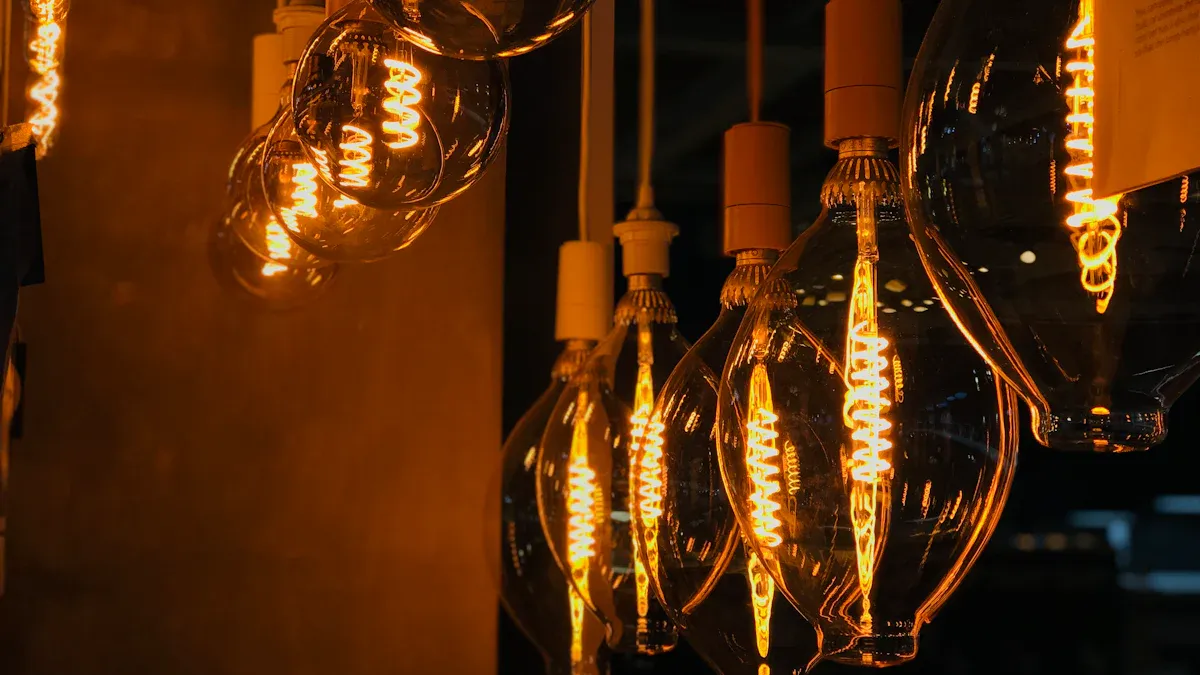
A Complete Guide to Choosing Glass Pendant Lighting
Pendant lights are more than just lights; they showcase style. Glass pendant lighting combines functionality with beauty. They illuminate your room while adding a touch of elegance. Use them to brighten a kitchen island or create a cozy atmosphere in your dining room.
Choosing the right glass pendant lighting is crucial. The wrong size or design can disrupt your room’s ambiance. This guide is here to assist you in selecting the best pendants to complement your home’s style.
Looking to transform your space? Let’s explore how glass pendant lighting can enhance your environment.
Key Takeaways
-
Choose the right size pendant light to match your room. A light that's too big or too small can disrupt the space's balance.
-
Consider the style of your pendant lights. They should complement your room's decor, whether modern, rustic, or classic.
-
Think about the type of glass. Clear glass provides bright light, while frosted glass creates a warm, cozy atmosphere.
-
Follow proper installation guidelines. Hang lights at the right height and ensure they are evenly spaced for the best effect.
-
Regular maintenance keeps your pendant lights looking great. Clean them often and check for any loose parts to ensure longevity.
Types of Glass Pendant Lighting
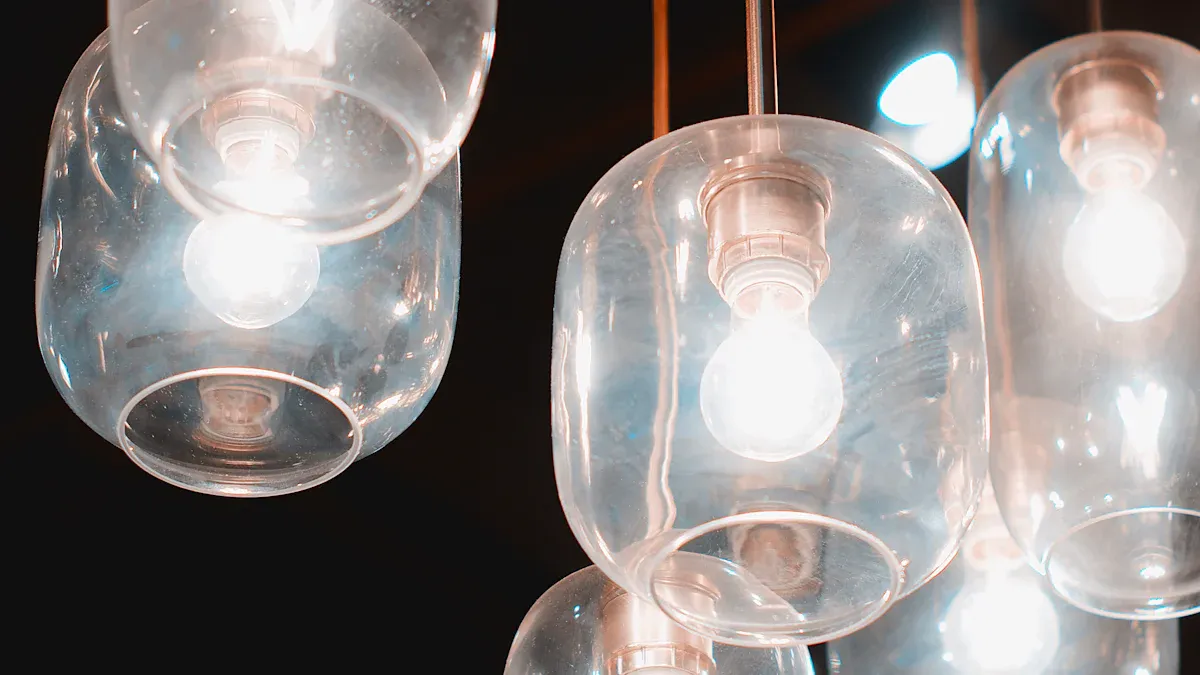
Choosing pendant lights can feel tricky with so many options. But knowing the types makes it easier to pick the right one. Let’s look at three popular choices: single pendant lights, multi-light pendant lights, and mini pendant lights.
Single Pendant Lights
Single pendant lights are a timeless option for homes. They have one light hanging from the ceiling, making them simple and useful. These lights work well in any room, like kitchens or bedrooms. Their easy design is great for DIY projects since they’re simple to set up.
What makes single pendant lights special is their ability to match your style. Whether you like modern or vintage looks, there are many designs to choose from. For instance, a clear glass pendant light adds elegance to a kitchen, while frosted glass gives a soft, warm glow in a living room.
Tip: Want something stylish and affordable? Single pendant lights are a smart choice.
Here’s why people love them:
-
Versatility: Great for kitchens, dining rooms, or even bedside lighting.
-
Customizable: Comes in many styles, like industrial or farmhouse.
-
Easy Installation: Quick and simple to set up for home upgrades.
Multi-Light Pendant Lights
For a bold look, go with multi-light pendant lights. These have several pendants grouped together on one base. They’re ideal for big spaces like dining rooms or entryways where you want a standout feature.
Multi-light pendants come in different styles, like linear or clustered designs. Linear ones are perfect over long tables or counters, giving even light. Clustered designs add an artistic touch with their creative shapes.
Luxury pendant lights are becoming more popular. People love their stylish look and how they improve a room’s feel. Made with quality materials, these lights are both functional and decorative.
Did you know? The interior lighting market is growing fast. It’s expected to rise from $79.5 billion in 2022 to $130.3 billion by 2032. Pendant lights, especially luxury ones, are a big part of this trend.
Mini Pendant Lights
Mini pendant lights are small but stylish and useful. These tiny lights are great for focused lighting in small spaces or grouped together for layered lighting.
Mini pendant lights are very flexible. Use them to light up specific spots, like a reading corner or kitchen counter. They’re also perfect for small rooms where big lights might not fit.
Here’s a quick comparison to help you decide:
|
Feature |
2 Smaller Pendant Lights |
1 Larger Pendant Light |
|---|---|---|
|
Style |
Modern and Sleek |
Statement Piece |
|
Lighting Coverage |
Focused on Specific Areas |
Illuminates Entire Island |
|
Installation Cost |
Higher (Two Fixtures) |
Lower (One Fixture) |
Mini pendant lights are great for a modern, sleek design. Combine them with other pendant lights for a matching look in your room.
Pro Tip: Use odd numbers like three or five mini pendants for a balanced and attractive setup.
Drum Pendant Lights
Drum pendant lights are stylish and useful for any room. They have a drum-shaped shade that gives soft, even light. This makes them great for spaces needing warm lighting without sharp shadows.
You can use drum pendant lights in dining rooms, bedrooms, or living rooms. Their wide, round shape works well in bigger areas. They light up the space while adding a classy touch to your decor.
Why pick drum pendant lights?
They fit many styles, from modern to classic. Their shades, made of fabric or glass, come in different colors and patterns. This makes it easy to match them with your room’s look.
Here are some tips to decide if drum pendants suit you:
-
Room Size: Use a big drum pendant for large spaces or a small one for tight spots.
-
Lighting Needs: Pick a light shade for bright light or a dark one for a cozy feel.
-
Placement: Hang them over tables, kitchen counters, or in entryways for a welcoming vibe.
Drum pendant lights are more than just lights; they’re eye-catching. Whether you like simple designs or bold patterns, these lights can make your room look amazing.
Specialty and Custom Designs
Sometimes, regular pendant lights don’t feel special enough. That’s when specialty and custom designs are perfect. These unique lights let you show your style and make your home stand out.
Specialty pendant lights often have unusual shapes, materials, or artistic touches. Think of hand-blown glass, metal frames, or natural materials like wood. These designs grab attention and start conversations.
Custom designs go even further. You can work with experts to create lights that match your exact needs. Want a light in your favorite color? Or one that fits a tricky corner? Custom designs make it happen.
Pro Tip: Custom pendant lights are great for showing off your creativity. They also help tie a room’s theme together perfectly.
Here’s how specialty and custom pendants improve your space:
-
Personalization: Show your style with one-of-a-kind designs.
-
Flexibility: Change the size, shape, or material to fit your space.
-
Impact: Make a bold statement with a truly unique light.
Whether you choose a specialty or custom design, these lights add personality to your home. They’re a fun way to make your lighting stand out and become a key feature.
Factors to Think About When Picking Glass Pendant Lighting
Choosing pendant lights isn’t just about looks. You need to think about how they’ll work in your space. Let’s go over the main things to consider.
Size and Fit
Picking the right size is very important. If the light is too big, it can overpower the room. If it’s too small, it might not light the area well. The size should match your room and the furniture below it.
For example, when placing lights over a kitchen island, measure the island first. Leave about 6 inches between the edge of the island and the light. If you’re using more than one light, space them evenly for balance.
Tip: Follow the "pendant lighting rules." Use one light for every foot of island length. This keeps the lighting even and the design neat.
The height of your ceiling also matters. Taller ceilings can handle bigger lights. Smaller rooms look better with mini pendant lights. Always match the light size to your room’s scale.
Style and Look
The style of your pendant lights sets the mood of your room. Whether you like modern, industrial, or farmhouse styles, there’s a pendant light for you. Glass pendant lights are flexible and work with both modern and classic designs.
Here’s why glass pendants are a favorite:
|
Feature |
Why It’s Great |
|---|---|
|
Glass can fit both modern and classic designs. |
|
|
Light Softness |
Gives warm, even light for a cozy feel. |
|
Easy to Clean |
Glass is simple to maintain, making it a popular choice. |
Think about how the lights will match your decor. For dining rooms, choose something elegant like a frosted drum pendant. For kitchens, clear glass pendants add a sleek, modern touch.
Did you know? Warm light from pendant lights is loved for creating cozy spaces in dining and living rooms.
Material and Glass Style
The material and type of glass affect how the light looks and works. Clear glass gives bright, focused light, perfect for tasks like cooking. Frosted or tinted glass softens the light, making the room feel warm and inviting.
Here’s what to think about when picking materials and glass:
-
Lighting Needs: Clear glass is bright for tasks, while frosted glass is softer for relaxing.
-
Strength: Good-quality glass lasts longer and resists breaking.
-
Style: Textured or colored glass adds a unique look to your room.
Energy-saving is also important. Choose lights that work with LED bulbs. LEDs save energy and last longer, so you won’t need to replace them often.
Pro Tip: Want something special? Try hand-blown glass pendants. They’re artistic and make a bold statement.
By thinking about these factors, you’ll find lights that look great and work well. Whether it’s for a kitchen island or a dining room centerpiece, the right glass pendant lights can change your space completely.
Light Output and Bulb Compatibility
When choosing pendant lights, you want to think about how much light they’ll provide and whether they’ll work with the bulbs you prefer. The right light output can completely change the feel of your space, whether it’s a cozy dining room or a bright kitchen island.
Start by considering the purpose of the space. For task lighting, like over a kitchen island, you’ll need brighter light. Clear glass pendants paired with LED bulbs are a great choice here. They provide focused, bright light that’s perfect for chopping veggies or reading recipes. On the other hand, if you’re lighting a dining room, you might want a softer, more ambient glow. Frosted or tinted glass pendants work well in these spaces, creating a warm and inviting atmosphere.
Bulb compatibility is another key factor. Not all pendant lights work with every type of bulb. Check if the fixture supports LED, incandescent, or smart bulbs. LED bulbs are energy-efficient and last longer, making them a popular choice. Plus, they come in various color temperatures, so you can pick warm or cool light depending on your room’s vibe.
Tip: If you’re unsure about the brightness, look for bulbs with adjustable dimming. This gives you control over the light intensity, perfect for spaces that serve multiple purposes.
Lastly, think about the number of pendants you’ll need. For a kitchen island, a row of three pendants often works best. This setup provides even lighting while adding a stylish touch. Just make sure the bulbs in each pendant match in brightness and color temperature for a cohesive look.
Room Decor and Overall Theme
Your pendant lights should do more than just light up a room—they should also enhance its decor. The right pendants can tie your entire space together, making it feel polished and intentional.
Start by looking at your room’s overall theme. Is it modern, rustic, or classic? Glass pendant lights are incredibly versatile and can fit into almost any style. For a modern look, consider sleek, clear glass pendants with minimalistic designs. If your space leans more rustic, frosted or textured glass paired with metal accents can add a cozy, farmhouse feel.
Layering your lighting is another way to elevate your decor. Combine your pendants with other light sources, like recessed lights or wall sconces. This creates depth and makes the room more functional. For example, in a dining room, you could use a large drum pendant as the centerpiece and add smaller lights around the edges for balance.
Unique designs can also make a big impact. Modern glass ball pendants, for instance, not only provide light but also act as stunning focal points. They reflect light beautifully, creating patterns that add character to your space. This approach works well in areas like dining rooms or even entryways, where you want to make a strong first impression.
Pro Tip: When hanging pendants, think about their height. In a dining room, the bottom of the pendant should sit about 30-36 inches above the table. This ensures the light is functional without obstructing the view.
Here are some quick ideas to match pendant lights with your decor:
-
Use clear glass pendants for a sleek, modern kitchen island.
-
Add frosted drum pendants to a dining room for a cozy, elegant vibe.
-
Choose custom designs to highlight your unique style and make your space stand out.
By aligning your pendant lighting with your room’s theme, you’ll create a space that feels cohesive and inviting. Whether you’re going for bold and dramatic or soft and subtle, the right pendants can make all the difference.
Placement and Sizing Guidelines for Pendant Lighting
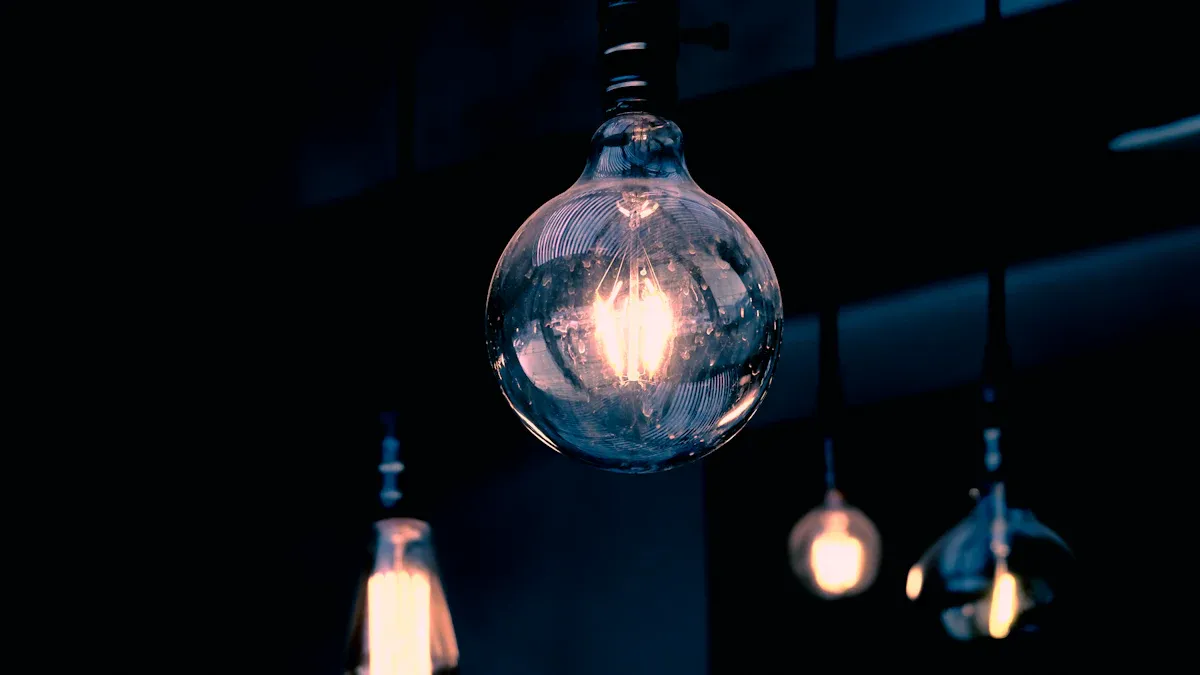
Best Placement for Different Rooms
Where you hang pendant lights affects how a room looks and works. Each room has a perfect spot for pendants to give the best light and style.
-
Kitchen island: Hang pendants 28–34 inches above the counter. This height gives enough light for cooking and keeps lights out of the way. For a six-foot island, space four small pendants about 14 inches apart for even lighting.
-
Dining table: Keep pendants 28–34 inches above the table. This height makes the space cozy and doesn’t block your view.
-
Nightstands: Hang pendants 18–24 inches above the surface. This adds stylish and useful bedside lighting.
-
Doorways: Make sure pendants hang at least six inches above the doorway to avoid clearance problems.
-
Open spaces: Multiply your ceiling height by 2 and 3 to find the lowest and highest pendant height. For example, in a room with a 10-foot ceiling, hang the pendant 20–30 inches from the ceiling.
Tip: Think about the room’s purpose when placing pendants. Kitchens need bright, focused light, while dining rooms work better with soft, cozy lighting.
Choosing the Right Size for Your Room
Picking the right size pendant is as important as its placement. A pendant that’s too big can overpower the room, while one that’s too small might not light it well.
Follow this easy formula to find the right size for one pendant:
-
Measure the width and length of the area you want to light.
-
Add these two numbers together.
-
Change the total to inches. This is the best diameter for your pendant.
For example, in a 10x12 foot room, the best pendant diameter is 22 inches.
If you’re using more than one pendant, space them evenly and keep them away from the edges. For a kitchen island, leave about 6 inches between the edge and the first pendant.
Pro Tip: Bigger rooms with large furniture can handle larger pendants. Smaller spaces look better with mini pendants.
Ceiling Height and Pendant Length
Ceiling height decides how low your pendant should hang. Pendants should be low enough to light the area but not block the view.
|
Ceiling Height |
Pendant Height (from countertop) |
|---|---|
|
8 feet |
|
|
9 feet |
33–39 inches |
|
10 feet |
36–42 inches |
|
11 feet |
39–45 inches |
|
12 feet |
42–48 inches |
For 8-foot ceilings, hang pendants 30–36 inches above the surface. Add 3 inches for every extra foot of ceiling height.
Note: Always measure your ceiling and furniture before hanging pendants to get the perfect height.
Spacing Between Multiple Pendant Lights
Getting the spacing right between multiple pendant lights can make or break the look of your room. Too close, and the lights feel cramped. Too far apart, and the lighting becomes uneven. So, how do you find the perfect balance?
Start by measuring the length of the area where you’ll hang the lights. For example, if you’re installing them over a kitchen island, measure the island’s length. Divide this measurement by the number of pendants you plan to use, then subtract a few inches to account for the width of each light. This ensures even spacing while keeping the design balanced.
Here’s a quick rule of thumb: leave about 24 to 30 inches of space between the centers of each pendant. This works well for most setups, whether it’s a dining table or a kitchen counter. If you’re using larger pendants, increase the spacing slightly to avoid overcrowding.
Tip: Always leave at least 6 inches between the edge of your surface and the first pendant. This prevents the lights from feeling too close to the edges.
Ceiling height also plays a role in pendant light spacing. Higher ceilings allow for more flexibility, while lower ceilings might require tighter spacing. If you’re unsure, step back and visualize how the lights will look once installed.
By following these guidelines, you’ll achieve the perfect pendant light spacing. Your room will feel well-lit and stylish, with a layout that looks intentional and polished.
Installation Tips for Glass Pendant Lighting
Getting Ready to Install
Before putting up your glass pendant lights, plan ahead. Good preparation makes the job easier and safer. Follow these steps:
-
Turn Off the Power: Switch off the circuit breaker to stay safe.
-
Gather Tools: Collect tools like pliers, screwdrivers, and a voltage tester.
-
Check Ceiling Strength: Make sure your ceiling can hold the light’s weight. Heavy lights may need extra support.
-
Read Instructions: Look at the guide that comes with your light. It has helpful details.
-
Attach the Bracket: Secure the mounting bracket to the ceiling’s electrical box.
Tip: Unsure about wiring? Call an electrician for help. Safety matters!
Setting Height and Position
The height and placement of your pendant lights change how your room looks. Use these tips to get it right:
-
Pick the Spot: Decide where the light will go. Over a table, hang it 30–36 inches above.
-
Measure Height: Use a tape measure to set the hanging height. For entryways, aim for 7–8 feet from the floor.
-
Check Placement: Step back and see how the light looks. Adjust if needed.
Pro Tip: Hanging multiple lights? Space them 24–30 inches apart for balance.
Staying Safe with Electricity
Electrical safety is very important when installing lights. Keep these tips in mind:
-
Follow Rules: Use NFPA 70 standards for safe wiring.
-
Connect Wires Right: Match black, white, and ground wires correctly. Secure them with wire nuts.
-
Don’t Overload: Make sure your circuit can handle the new light.
-
Test First: Turn the power on and test the light before finishing.
Note: Wear gloves and safety glasses to protect yourself while working.
By following these steps, you’ll install your glass pendant lights safely and correctly. Careful installation makes your space look great and keeps it safe.
When to Hire a Professional
Putting up glass pendant lighting can be a fun DIY task. But sometimes, it’s smarter to get help from a professional. Here are times when hiring an expert is a good idea:
-
Complicated Fixtures: Some lights are heavy or have tricky wiring. Experts know how to install them safely and quickly.
-
Electrical Safety: If you don’t know much about wiring, it’s safer to call a pro. Mistakes could cause fires or damage.
-
Busy Schedule: No time to figure out instructions? A professional can finish faster.
-
Better Results: Experts make sure the lights look neat and work well. They avoid problems like uneven hanging or loose wires.
Hiring a professional has benefits, but there are also some downsides:
-
Expense: Paying for installation can be costly, especially on a tight budget.
-
Scheduling Issues: Waiting for an installer might delay your project.
-
Less DIY Fun: Doing it yourself can feel rewarding. With a pro, you miss that hands-on experience.
Tip: For tricky spots like high ceilings or old wiring, hire a pro. They’ll handle the hard parts while you enjoy the finished look.
In the end, it depends on your skills and the project’s difficulty. If you’re confident and have time, try DIY. But for safety or precision, a professional is the best choice.
Maintenance and Care for Pendant Lights
Taking care of your pendant lights keeps them beautiful and working well. Here are easy tips to help your lights stay bright and last longer.
Cleaning Glass Shades
Glass shades can get dusty and lose their shine. Cleaning them often keeps them looking new. Follow these steps:
-
Dust the glass shades weekly with a soft, dry cloth. This stops dirt from building up.
-
For a deeper clean, mix equal parts vinegar and water. Use a lint-free cloth to wipe away smudges and make the glass clear again.
-
Stubborn spots? Use a microfiber cloth with glass cleaner for the best results.
Tip: Take off loose parts like crystals or beads before cleaning. Wash them gently with warm water and soap, rinse, and let them dry fully before putting them back.
Preventing Dust and Smudges
Stopping dust and smudges helps your pendants look great longer. Try these simple ideas:
-
Keep the room well-ventilated to reduce dust.
-
Use an air purifier to catch dust before it settles on your lights.
-
Don’t switch lights on and off too often, as this can attract more dust.
Clean regularly to keep your lights bright. Dust and dirt can make the light dim and change the room’s feel. Stay ahead with these tips to keep your pendants shining.
Checking and Replacing Bulbs
Changing bulbs in pendant lights is easy if you follow these steps:
-
Turn off the power at the breaker to stay safe.
-
Wear gloves to avoid getting oils from your hands on the bulbs.
-
Screw in the new bulb gently until it fits snugly. Don’t overtighten.
-
Put back any decorative parts, like glass shades, as the instructions say.
-
Turn the power back on and test the light to make sure it works.
Pro Tip: Keep extra bulbs nearby, especially for lights used often, like in the kitchen.
By following these care tips, your pendant lights will stay in great shape and keep your space looking amazing.
Ensuring Longevity of Fixtures
Keeping your glass pendant lights in great shape doesn’t have to be hard. With a little care, you can make sure they stay beautiful and functional for years. Here’s how you can extend the life of your fixtures.
-
Inspect Regularly: Check your pendant lights every few months. Look for loose screws, worn-out wires, or any signs of damage. Catching small issues early can save you from bigger problems later.
-
Use the Right Bulbs: Always use bulbs that match the fixture’s specifications. Using the wrong type can overheat the fixture or cause it to wear out faster. LED bulbs are a great choice since they’re energy-efficient and last longer.
-
Avoid Overloading: Don’t hang heavy decorations or accessories on your pendant lights. This can strain the fixture and weaken its support over time.
Pro Tip: If your pendant lights are in a humid area like a bathroom, choose fixtures with moisture-resistant finishes. This prevents rust and keeps them looking new.
-
Tighten Connections: Over time, screws and bolts can loosen due to vibrations or regular use. Grab a screwdriver and tighten them up to keep everything secure.
-
Protect the Finish: Use a soft, damp cloth to clean the fixture’s metal parts. Avoid harsh chemicals that can strip the finish or cause discoloration.
By following these simple steps, you’ll keep your pendant lights looking as good as the day you installed them. A little maintenance goes a long way in ensuring they remain a stunning feature in your home. So, take a few minutes now and then to give them the care they deserve!
Picking the right glass pendant lights doesn’t have to be hard. This guide has explained everything—from types of pendants to where to hang them, their size, and how to care for them. The size and placement of your lights are just as important as their look. For example, the light’s size should fit the space it brightens, and using odd numbers of pendants often looks more balanced.
Your style matters too. Whether you like modern, simple designs or a cozy, rustic feel, there’s a pendant light for you. By using this guide, you can easily choose lights that improve your space and fit your needs.
Excited to update your home? Check out your options now and find pendant lights that match your style perfectly!
FAQ
What’s the best way to clean glass pendant lights?
Use a soft, lint-free cloth to dust them weekly. For deeper cleaning, mix equal parts vinegar and water. Wipe the glass gently, then dry it with a microfiber cloth. Avoid harsh chemicals—they can damage the finish.
Tip: Remove the glass shade if possible. It makes cleaning easier and safer.
How high should I hang pendant lights over a kitchen island?
Hang them 28–34 inches above the countertop. This height provides enough light for tasks without obstructing your view. For higher ceilings, add 3 inches for every extra foot of ceiling height.
Pro Tip: Use a tape measure to ensure consistent height for multiple pendants.
Can I use LED bulbs in glass pendant lights?
Yes, most glass pendant lights work with LED bulbs. LEDs are energy-efficient, last longer, and come in various brightness levels. Check the fixture’s specifications to ensure compatibility.
Note: Dimmable LED bulbs are a great option for adjustable lighting.
How do I choose the right size pendant light for my room?
Add your room’s length and width (in feet), then convert the total to inches. That’s the ideal diameter for your pendant. For example, a 10x12-foot room would need a 22-inch-wide pendant.
Example: For multiple pendants, divide the space evenly and leave at least 6 inches from the edges.
Do I need an electrician to install pendant lights?
If you’re comfortable with basic wiring, you can install them yourself. However, hire a professional for heavy fixtures, high ceilings, or complex wiring. Safety always comes first.
Reminder: Turn off the power at the breaker before starting any installation.