
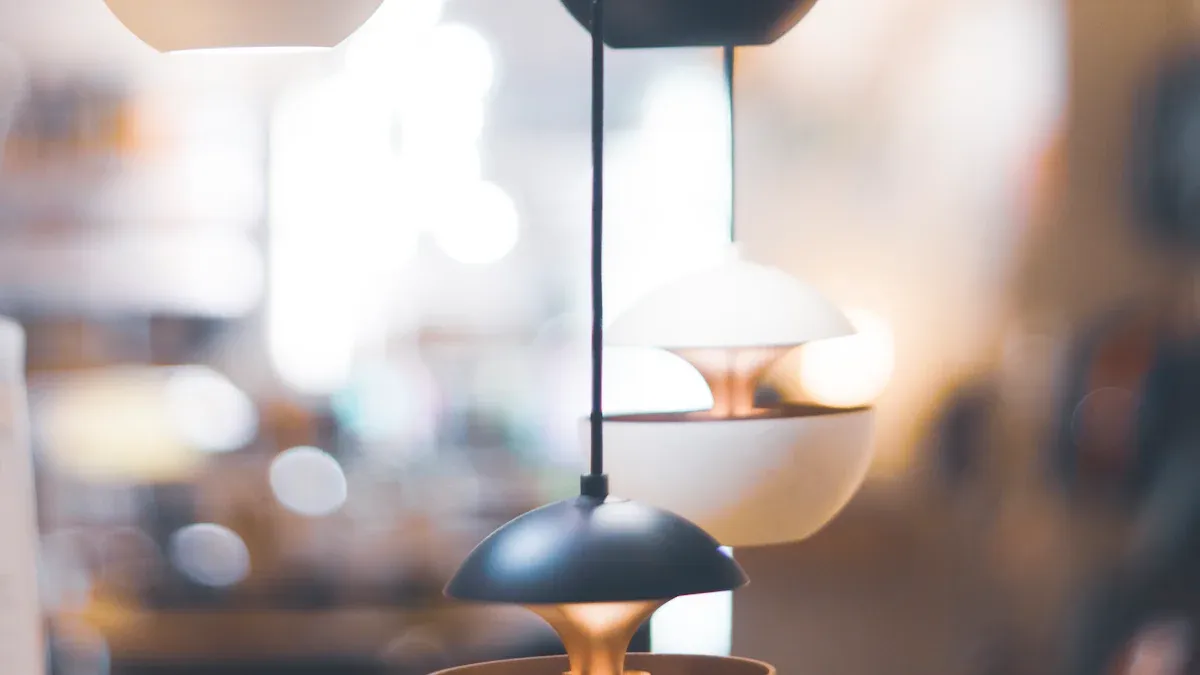
The Journey of Handmade Ceramic Pendant Lights
Picture stepping into a room where the lights are more than useful—they’re beautiful art. Handmade ceramic pendant lights have a special charm that turns normal spaces into amazing ones. These lights don’t just brighten rooms; they show creativity and skill, mixing unique art with smart design.
Today, people love this trend and see ceramic pendant lights as must-haves for cozy spaces. With more home makeovers happening, many choose items that bring personality and warmth. These handmade lights, made with care and detail, are lasting treasures in modern homes.
"As more people want custom, useful, and stylish upgrades, decorative items are now key parts of home design."
Whether you like their detailed patterns or simple beauty, ceramic pendant lights combine stunning art with everyday use.
Key Takeaways
-
Handmade ceramic pendant lights mix beauty and usefulness for any room.
-
Picking the right clay is important; it changes the look and strength.
-
Artists work with care, using old methods to make special designs.
-
Ceramic pendant lights have many styles to fit different preferences.
-
Buying handmade ceramics supports green practices and saves cultural traditions.
The Historical Roots of Ceramic Craftsmanship
Ancient origins and the evolution of ceramic artistry
Ceramics have been made for thousands of years. Their history is long and exciting. Did you know pottery pieces over 13,000 years old exist? Archaeologists found these in Japan, the Near East, and Russia. Early humans used clay to make strong, useful items. They even added bird manure to clay for extra strength. That’s some clever thinking!
What’s cool is how ceramics grew in many places at once. It wasn’t just one culture’s idea. Different regions added their own styles. This shaped ceramics into the amazing art we see today.
Cultural significance in global traditions
Ceramics are more than just tools. They’ve been important in rituals and daily life. For example, Native Caddo people used decorated pots in ceremonies. These pots also showed their identity. These traditions have lasted for thousands of years, linking the past to today’s art.
In the Americas, pottery from Ecuador and Mexico showed farming life. These weren’t just tools; they told stories about people and their lives. Around the world, ceramics connect usefulness with cultural meaning.
Transitioning into modern design aesthetics
Today, ceramics are part of modern design. Artists mix old techniques with new styles to make beautiful pieces. Ceramic pendant lights are a great example. They combine history with modern looks, making them popular in homes.
Modern artists also try new materials and ideas. They change old designs, add personal touches, and explore new possibilities. This keeps ceramics fresh and exciting. It shows that this timeless craft will always be part of our lives.
Craftsmanship in the Creation of Ceramic Pendant Lights
Clay selection: Balancing strength and beauty
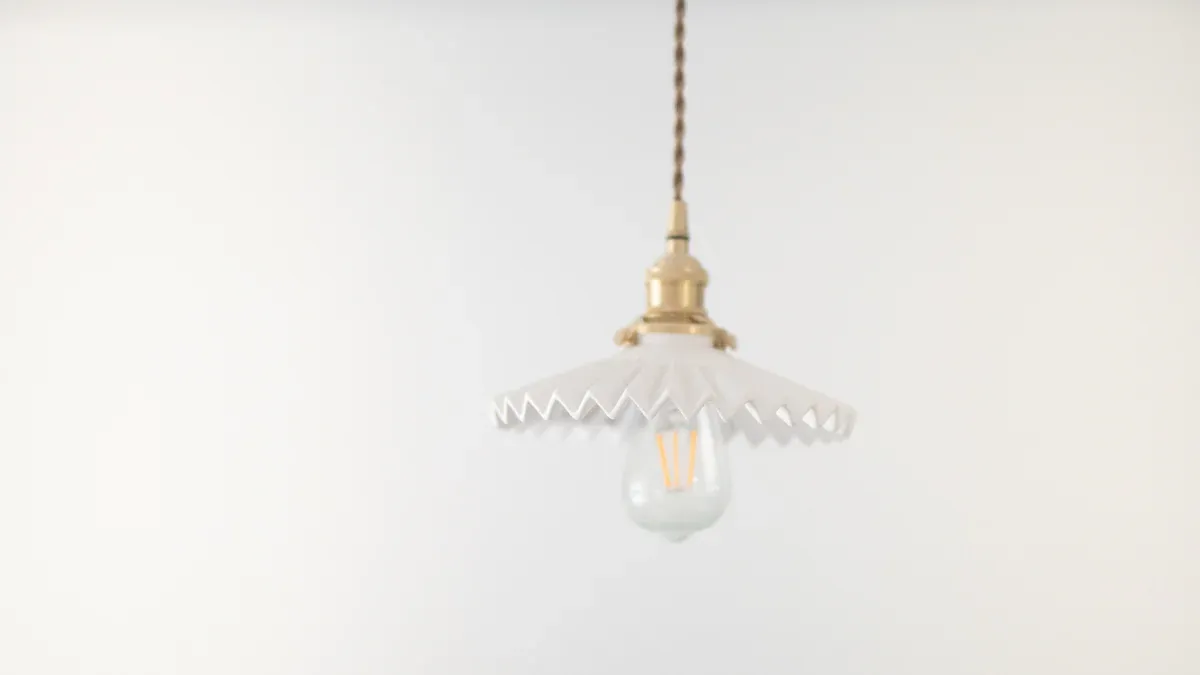
Making ceramic pendant lights starts with picking the right clay. Choosing clay is like picking the best base for a building. It decides how strong and pretty the light will be. The type of clay used changes how it looks and lasts. Artists think about texture, color, and how it reacts to heat.
Porcelain clay is often used because it’s smooth and detailed. Some artists add walnut caps for a fancy touch. Here’s how clay choice affects the final product:
|
Feature |
Details |
|---|---|
|
Size |
|
|
Materials |
Porcelain clay, walnut cap |
|
Making Method |
3D printing |
Not all clay is alike. Some artists use wild clay, taken straight from nature. Wild clay has a natural look but is harder to work with. It needs testing, cleaning, and special tools. Even though it’s tricky, many think it’s worth it for unique results.
Shaping and molding: Bringing ideas to life
After choosing clay, the artist starts shaping it. This is when the clay turns into art. Artists might use a spinning wheel or sculpt by hand. Every curve and line shows their vision and skill.
One artist residency explains this process well:
"This residency supports artists who connect with the history of making objects from clay. Each touch on the clay carries meaning and links to the past."
This step isn’t just about making something pretty. It’s about telling a story. Each pendant light shows the artist’s personal style, making it special.
Glazing and firing: Turning clay into art
The last steps—glazing and firing—finish the piece. Glazing adds color, texture, and protection. It gives the light its final look. Artists try different glazes, from shiny to dull, to find the perfect style.
Firing uses heat to harden the clay and set the glaze. The kiln heats up to 1000 °C to 1100 °C. This makes the clay strong and locks in the design. Here’s what happens during this stage:
|
Test Type |
Purpose |
|---|---|
|
Chemical Study |
Shows how clay and glaze react, using elements like CaO and SiO2. |
|
Mineral Study |
Looks at minerals in the clay to learn about firing and textures. |
|
Glaze Techniques |
Finds out how lead glazes and other methods affect the final product. |
Even small things, like using salt water, can change the look. Firing also changes the clay’s color, adding depth. It’s a mix of science and art, and the results are always amazing.
The Role of Artisans in Ceramic Pendant Light Creation
Passion and dedication in preserving ceramic craftsmanship
Handmade ceramic pendant lights are more than just products. They show the hard work and love of artisans who care deeply about their craft. These artists keep old ceramic traditions alive, even as mass production grows. Their efforts make sure this special art doesn’t disappear.
Think about an artist spending hours shaping a pendant light. They test glazes to find the perfect look. This isn’t just a job—it’s something they truly love. Every part of their work shows their passion for ceramics. They turn simple clay into amazing designs that mix old styles with new ideas.
Challenges in maintaining traditional techniques
Keeping old ceramic methods alive is hard work. Artisans face many problems while trying to save these traditions. For example, in Jingdezhen, a city known for pottery, broken ceramic pieces from old kilns pile up. Fixing these takes great skill and care. Even tiny mistakes can ruin the work.
Artisans also struggle with time and money. Handmade ceramics take longer to make and cost more than factory-made items. But many artists won’t give up. They find smart ways to mix old methods with new ideas. Some sell their work locally or team up with designers to keep their craft alive.
Here’s how artisans handle these challenges:
-
They adjust old techniques to make useful and artistic lights.
-
They create unique designs to stand out from factory-made items.
-
They add cultural stories to their work, keeping traditions alive.
These efforts protect the craft and show why it matters today.
Personal stories and inspirations behind unique designs
Every ceramic pendant light has a story behind it. For example, Jan Ernst’s South African roots inspire his designs. His work connects nature with human feelings. His lights aren’t just decorations—they share his culture and life.
Kawabata Kentaro uses his memories to shape his art. His pieces mix old and new emotions, making them timeless and personal. Linda Sikora blends European history with modern styles. Her pottery combines tradition with fresh ideas.
These artists don’t just make objects; they share their lives through their work. When you buy a handmade ceramic pendant light, you’re bringing their stories, creativity, and passion into your home.
The Aesthetic and Functional Appeal of Ceramic Pendant Lights
How ceramic pendant lights improve modern spaces
Ceramic pendant lights do more than just light up rooms. They change how a space feels. Picture coming home to a warm, soft glow that feels cozy and artistic. These lights mix beauty with usefulness, making them perfect for modern homes. Whether you want a comfy feel or a stylish look, they work well.
You can use them in many ways. Hang one over your dining table for a calm, cozy vibe. Use a group of them in your living room to make a bold statement. They don’t just brighten spaces; they add style and personality. Their handmade designs make any home feel extra special.
Designs for every taste: Simple to detailed styles
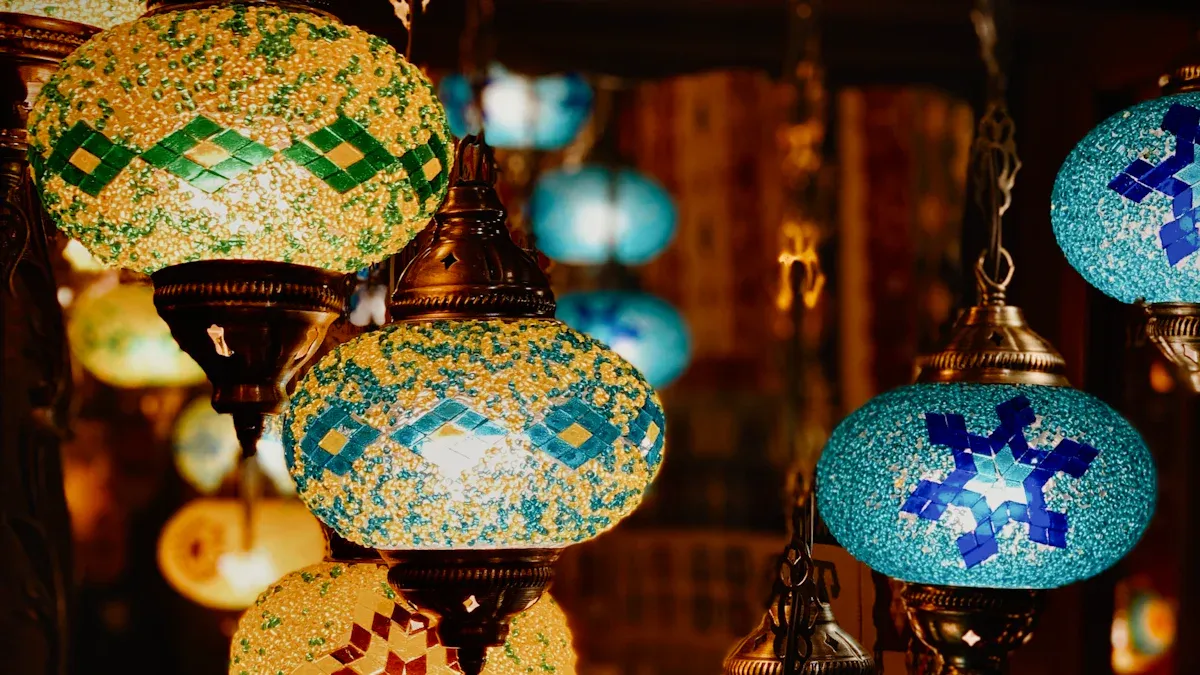
Ceramic pendant lights come in many styles. Some are plain and simple, while others are detailed and fancy. This means you can find one that fits your taste. If you like smooth, unpainted finishes or colorful patterns like Turkish mosaics, there’s a design for you.
Here’s a quick look at different materials and their features:
|
Material |
Features |
|---|---|
|
Glass |
Frosted or clear, giving a soft, gentle glow. |
|
Wood |
Teak or walnut, adding a natural, warm touch. |
|
Metals |
Brass or copper, offering a shiny, modern look. |
|
Plastic |
Acrylic, for a fun and playful style. |
|
Ceramic |
Painted or plain, for a handmade, earthy feel. |
|
Fiberglass |
Textured, for soft and diffused lighting. |
Ceramics stand out because they’re timeless. They feel natural but also look elegant. Whether you like simple shapes or detailed designs, ceramic pendant lights give you lots of choices.
Where to use them: Homes, restaurants, and creative spaces
Ceramic pendant lights work in many places. In homes, they’re great for kitchens, dining rooms, or bedrooms. A single light can be the main focus, or you can use several for layered lighting. They add warmth and charm to any room.
Restaurants and cafes love these lights too. Turkish mosaic lamps, for example, bring bright colors and unique patterns. They create a cozy, welcoming feel that customers enjoy. In art studios or galleries, ceramic pendant lights provide both light and decoration. They fit perfectly with creative spaces.
Wherever you place them, these lights make the space better. They’re not just lamps—they’re art pieces with a story to tell.
Handmade ceramic pendant lights share stories of skill, culture, and care. Each light shows the artist's hard work, from start to finish:
-
Shaping the clay shows the artist's talent and ideas.
-
Glazing protects the piece and makes it look nice.
-
Firing turns soft clay into a solid, lasting creation.
These lights also celebrate traditions, like those displayed in museums. Buying them helps keep old crafts alive and supports eco-friendly choices. Today, 64.3% of businesses focus on being green and sustainable.
FAQ
What makes handmade ceramic pendant lights special?
Artisans make handmade ceramic pendant lights with care and creativity. Each light is unique because it shows the artist’s personal style. These lights mix beauty and usefulness, making spaces warm and full of character.
Can ceramic pendant lights be used in small rooms?
Yes, they can! Ceramic pendant lights are great for small rooms. Their small size and soft light make the space feel cozy. Turkish mosaic lamps are perfect for adding charm to tiny areas.
How should I clean ceramic pendant lights?
Cleaning ceramic pendant lights is easy. Use a soft, wet cloth to remove dust and dirt. Don’t use strong chemicals that could harm the glaze. For detailed designs like Turkish mosaic lamps, clean the grooves gently with a soft brush.
Are ceramic pendant lights good for the environment?
Yes, they are! Handmade ceramic pendant lights often use natural materials and eco-friendly methods. Buying these lights helps artisans and avoids factory-made products. Turkish mosaic lamps, made with old techniques, are a great green choice.
Where can Turkish mosaic lamps be placed?
Turkish mosaic lamps look great in homes, restaurants, and art spaces. Their bright patterns and warm light make dining rooms, living rooms, or studios more beautiful. They’re flexible and add cultural style wherever they go.