
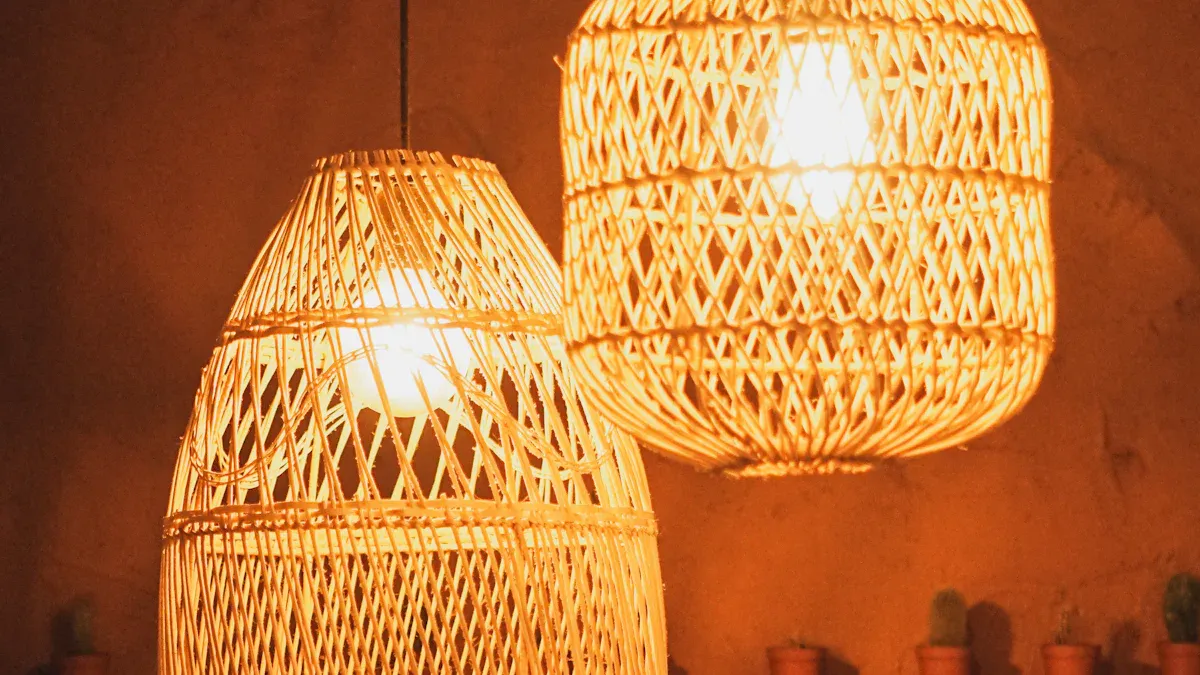
How to Choose the Best Rattan Pendant Light for Your Space
Choosing the right rattan pendant light can change your room. Picture entering a space where the light not only shines but also shows style. Rattan lights are special because they mix beauty and usefulness. They don’t just look nice—they make your room feel cozy and still practical.
Rattan pendant lights are popular in today’s homes. They fit many styles, from city apartments to beach houses. For example, using rattan lights with task lights in your kitchen or living room can make the space both pretty and useful. Picking the best rattan pendant light will give you a centerpiece that matches your room perfectly.
Key Takeaways
-
Measure your room size and ceiling height before buying lights. This helps the light fit well and look great in your space.
-
Hang rattan lights at the correct height. Place them 30 to 34 inches above tables for a cozy feel without blocking views.
-
Pick natural or synthetic rattan based on your needs. Natural rattan feels warm indoors, while synthetic rattan lasts longer outside.
-
Think about your room's style when choosing rattan lights. Match them with your decor for a neat and welcoming look.
-
Use dimmable LED bulbs in your rattan lights. You can change the brightness for different moods and activities.
Understanding Pendant Light Size and Placement
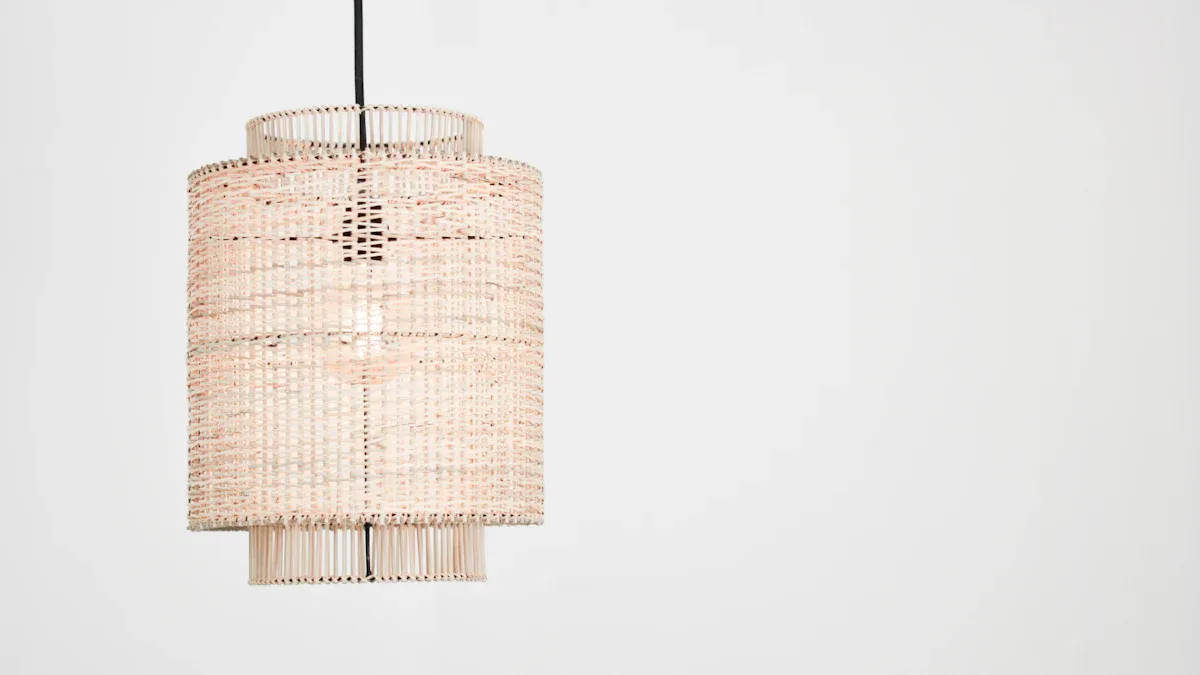
Choosing the right pendant light size and placement can make or break the look of your room. It’s not just about picking a beautiful rattan pendant light—it’s about making sure it fits your space perfectly. Let’s break it down step by step.
Measuring Your Room and Ceiling Height
Before you dive into shopping, you need to measure the space where you’ll hang your rattan pendant lights. Start with the basics: the room dimensions and ceiling height. These measurements will help you pick a fixture that feels balanced and doesn’t overwhelm the room.
Here are some tools you can use to measure the space accurately:
|
Technique |
Description |
|---|---|
|
A classic tool for measuring lengths and heights. |
|
|
Laser Measuring Tool |
A modern device that gives precise measurements, especially for ceiling heights. |
|
Door Height Hack |
A quick trick: measure from the top of a door to the ceiling, using the average door height as a guide. |
Once you have these measurements, you can better match the pendant light size to your room. For example, a large rattan pendant light might look stunning in a spacious living room but could feel overwhelming in a small bedroom. Always consider your space to ensure the light complements the room’s proportions.
Determining the Ideal Hanging Height
The height at which you hang your rattan pendant lights is just as important as their size. Hanging them too high or too low can throw off the balance of the room. A good rule of thumb is to hang pendant lights 30 to 34 inches above a dining table or kitchen island. This height ensures the light doesn’t block your view or create glare.
For other areas, like open spaces or above countertops, here’s a quick guide:
|
Area |
Optimal Height (inches) |
|---|---|
|
Kitchen islands |
28 to 34 |
|
Dining tables |
28 to 34 |
|
Bedroom nightstands |
18 to 24 |
|
Side tables |
18 to 24 |
|
Above doorways |
At least 6 |
|
Open areas |
Ceiling height x 2 to 3 |
|
Clearance for walking |
At least 84 |
When you measure the space, keep these guidelines in mind. For example, in a dining room, hanging a rattan pendant light 60 to 66 inches from the floor creates a cozy yet functional vibe. This placement works well for both lighting and aesthetics.
Choosing the Number of Rattan Pendant Lights
How many rattan pendant lights do you need? That depends on the size of your room and the look you’re going for. A single large pendant can act as a bold centerpiece, while multiple smaller pendants can create a balanced and stylish arrangement.
Here are a few tips to help you determine the number of lights:
-
For a small room, one rattan pendant light is usually enough. A large fixture in a small space can feel overwhelming.
-
In larger rooms, consider using two or three pendants. Space them evenly to maintain balance.
-
Over a dining table or kitchen island, use the “rule of thirds.” Divide the length of the table or island into three sections and place the lights at equal intervals.
For example, if you have a long kitchen island, hanging three rattan pendant lights evenly spaced can create a stunning visual effect. Just make sure there’s at least 30 inches of space between the countertop and the bottom of the pendants.
By taking the time to measure the space and determine the number of lights, you’ll create a setup that’s both functional and beautiful. Rattan lighting has the power to transform your room, but it all starts with thoughtful planning.
Picking the Best Material for Your Rattan Pendant Light
Choosing the right material for your rattan light is important. It changes how your space looks and how long it lasts. Let’s look at what to consider when making your choice.
Natural vs. Synthetic Rattan
There are two main types of rattan: natural and synthetic. Natural rattan comes from plants, giving it a warm, earthy vibe. It’s great if you want a cozy and real feel in your room. Studies show natural rattan blends tradition with modern styles, like Scandinavian designs. This makes it a classic and stylish option.
Synthetic rattan is made from plastic or resin. It looks like natural rattan but is tougher and easier to care for. If you need something for outside or low-maintenance, synthetic rattan is a smart pick. It doesn’t fade or get damaged by water, so it’s perfect for outdoor spaces.
Indoor or Outdoor Use
Not all rattan lights work everywhere. For inside spaces, natural rattan adds a handmade, warm touch. It’s ideal for living rooms, bedrooms, or dining areas. Outside, synthetic rattan is better. It handles weather well, making it great for patios or gardens.
Here’s a quick guide:
|
Where to Use |
Best Material |
Why It’s Good |
|---|---|---|
|
Indoors |
Natural Rattan |
Brings warmth and a crafted look to your home. |
|
Outdoors |
Synthetic Rattan |
Stays strong against rain, sun, and temperature changes. |
How Durable and Easy to Maintain?
Durability matters when picking a rattan pendant light. Natural rattan is strong but needs care to avoid cracks. Dust it often and wipe it gently with a damp cloth. Synthetic rattan is much easier to maintain. It’s tough and doesn’t need much cleaning.
Rattan’s woven design also helps with heat. Air flows through it, keeping bulbs cool. This makes rattan lights last longer and saves energy.
By knowing the differences between natural and synthetic rattan, you can pick the right light. Choose one that fits your style and works well in your space.
Adding Rattan Pendant Lights to Your Home Decor
Rattan pendant lights can fit into many home styles. They are flexible and add both beauty and usefulness to your space. Let’s see how to match them with your room’s style, pick the right colors, and balance textures for a complete look.
Matching Styles with Room Themes (Bohemian, Coastal, Scandinavian)
Rattan pendant lights work well with different decor styles. Whether your home is Bohemian, Coastal, or Scandinavian, these lights can improve the look and feel of your space.
-
Bohemian Style: If you like creative and unique designs, rattan lights are great. Choose bright colors, detailed patterns, and natural materials. A bold rattan light can be the main focus in a Boho-style room.
-
Coastal Style: For a calm, beachy look, pick rattan lights in soft colors like beige or white. These lights go well with light blues and sandy tones, giving a peaceful ocean vibe. Their texture matches the relaxed feel of coastal decor.
-
Scandinavian Style: If you prefer simple and useful designs, pick plain rattan lights with clean shapes. Scandinavian decor uses neutral colors and natural materials, making rattan a perfect choice. A simple design adds warmth without being too much.
By picking the right style, you can show off the charm of rattan lights while keeping your room’s theme.
Picking Colors and Finishes
The color and finish of rattan lights affect your room’s mood. Warm colors like honey or caramel make the space feel cozy. Light shades like white or beige give a fresh and open feel. Dark colors like black or espresso add drama and elegance.
Studies show warm colors make people feel happier than cool ones. This makes them great for creating a welcoming home. Bold-colored rattan lights with unique shapes can stand out, while neutral ones blend in easily.
When choosing finishes, think about your room’s style. Matte finishes suit modern spaces, while shiny finishes add elegance to classic rooms. Picking the right colors and finishes ensures your rattan lights match your home’s look.
Balancing Textures and Matching Elements
Rattan lights bring a natural, woven look to your room. You can balance this texture with other materials in your decor.
-
Pair rattan lights with soft fabrics like cotton or linen for a cozy feel.
-
Mix them with smooth materials like glass or metal for a modern touch.
-
Add wooden furniture or jute rugs to highlight the natural style of rattan.
For example, in a Scandinavian room, pair a rattan light with a wooden table and a neutral rug. This creates a warm and inviting look. In a Bohemian room, mix rattan with colorful pillows and patterned fabrics for a fun, layered style.
By balancing textures and adding matching elements, rattan lights can become a key part of your decor. This thoughtful design makes your space look complete and beautiful.
Functionality and Lighting Needs
When picking rattan pendant lights, think about how they’ll work in your space. These lights aren’t just stylish—they can serve different purposes based on your needs. Let’s see how to use them best.
Ambient, Task, and Accent Lighting Options
Rattan pendant lights can give ambient, task, or accent lighting. Each type has a special role:
-
Ambient Lighting: This is the main light that brightens the whole room. A big rattan pendant light in your dining room can create a warm setting for family meals.
-
Task Lighting: This type of light helps with specific tasks like cooking or reading. For example, hanging rattan pendant lights over your kitchen island gives enough light for food prep.
-
Accent Lighting: This highlights certain areas or items. A small rattan pendant light can make a cozy corner or artwork stand out.
Here’s a quick table comparing lighting scenarios and their effects:
|
Scenario |
Lux Level (lx) |
Energy Use (kWh/year) |
Lighting Type Details |
|---|---|---|---|
|
Base Case |
4400–6850 |
High number of 39 W lights |
|
|
Scenario-2 |
461 |
Lowest energy use |
Didn’t meet required brightness |
|
Scenario-C |
565 |
10.9% less energy |
Flexible light with high efficiency |
Picking the right lighting type makes your rattan pendant lights both useful and beautiful.
Bulb Selection and Compatibility
The bulbs you choose affect how your rattan pendant lights work. LED bulbs are a great option because they save energy and last long. They also come in different colors, from warm yellow to cool white, so you can set the mood.
Make sure the bulbs fit your light fixture. Some rattan pendant lights need specific bulb sizes or wattages. Always check the manufacturer’s instructions to avoid problems.
Dimmable Features for Mood Lighting
Dimmable lights make your rattan pendant lights even better. You can change the brightness to match your activity or mood. For example, dim the lights for a quiet dinner or brighten them for a party.
Studies show dimmable LEDs are flexible and improve mood and focus. They’re great for dining rooms where you might switch between casual and formal settings. Plus, they save energy, which lowers your bills.
Adding dimmable features to your rattan pendant lights makes them more versatile. Whether you want bright light or a soft glow, dimmable options give you full control.
Budget-Friendly Tips for Rattan Pendant Lights
Comparing Premium and Affordable Options
Rattan pendant lights come in many price ranges. Expensive ones often have detailed designs and high-quality materials. These can be the main attraction in your room. Cheaper options are great if you want stylish lights on a budget. They might use simpler designs or synthetic rattan but still look nice.
Think about what matters most to you. Do you want a unique, long-lasting light? Or do you prefer something trendy and affordable? Both choices have good points. Pick what works best for your space and needs.
Shopping for Quality Fixtures
Finding a good rattan pendant light is easy with some tips. First, check the material. Natural rattan feels warm, while synthetic rattan lasts longer. Look at the weaving—tight patterns mean better quality. Also, check the base and wiring to make sure they’re strong.
If shopping online, read reviews to learn about the product. If buying in-store, inspect the light closely. Spending a little extra time now can help you avoid buying a poorly made light later.
Balancing Cost with Longevity and Style
Cheaper lights might save money now but may not last. Spending a bit more can get you a durable and stylish light. Make sure the light matches your room’s style. A good choice can improve your decor and save money over time.
Here’s a tip: Watch for sales on high-quality rattan lights. You might find a great deal on a premium light. Choosing a sturdy, stylish light gives you the best value for your money.
Practical Installation and Maintenance Advice
Safely Installing Your Rattan Pendant Light
Installing a rattan pendant light might seem tricky, but it’s easier than you think. Start by turning off the power to the area where you’ll work. Safety first! Next, gather the tools you’ll need, like a screwdriver, wire stripper, and a step ladder. Follow the instructions that come with your light fixture. Most guides will walk you through connecting the wires and securing the fixture to the ceiling.
If you’re unsure about wiring, don’t hesitate to call an electrician. It’s better to be safe than sorry. When you’re done, double-check that the light is securely fastened. A wobbly fixture can be dangerous. Knowing how to install rattan light fixtures properly ensures your space looks great and stays safe.
Tip: Test the light before putting away your tools. This saves you from having to redo your work if something isn’t connected correctly.
Cleaning and Caring for Rattan Material
Rattan pendant lights are beautiful, but they need a little care to stay that way. Dust them regularly with a soft cloth or a feather duster. For deeper cleaning, use a damp cloth to wipe the surface gently. Avoid soaking the rattan, as too much moisture can weaken the material.
Did you know fresh rattan stems have a moisture content of 130% to 160%? This makes them prone to staining if not treated properly. About 20% of harvested rattan canes get stained by blue fungi. To prevent this, keep your rattan lights in a dry, well-ventilated area. If you notice any stains, a mild soap solution can help remove them.
Note: Synthetic rattan is easier to maintain. It resists water and stains, making it a great option for outdoor spaces.
Troubleshooting Common Issues
Sometimes, your rattan pendant light might not work as expected. If the light doesn’t turn on, check the bulb first. It might be loose or burned out. Replace it with a compatible bulb if needed. If the problem persists, inspect the wiring. Loose connections can cause issues.
For natural rattan, cracks or fraying might appear over time. Use a small amount of wood glue to fix minor cracks. For synthetic rattan, a damp cloth can usually clean up any scuffs or marks. If the fixture wobbles, tighten the screws or bolts holding it in place.
Tip: Regularly inspect your light for wear and tear. Catching small problems early can save you from bigger repairs later.
Picking the right rattan pendant light can change your room completely. Think about size, placement, material, and style to find the best fit. These lights are great for adding charm and usefulness to any space. Whether you want a cozy feel or a bold look, rattan pendant lights give you many choices.
Take time to find a light that matches your style and room. The perfect rattan light doesn’t just brighten—it makes your space warm and welcoming. With careful planning, you can make any room stand out beautifully.
Tip: Good lighting matters a lot. A well-picked rattan pendant light can turn your room into something amazing.
FAQ
How should I clean a rattan pendant light?
Use a soft cloth or feather duster to remove dust. For deeper cleaning, wipe gently with a damp cloth. Don’t soak it, as too much water can harm the material. Synthetic rattan is easier to clean and resists stains better.
Can rattan lights be used outside?
Yes, but pick synthetic rattan for outdoor spaces. It handles rain, sun, and temperature changes well. Natural rattan is better indoors because it’s more fragile and can get damaged by water or sunlight.
How do I pick the right size rattan light?
Measure your room and ceiling height first. Hang lights 30–34 inches above tables or islands. In big rooms, use larger lights or several pendants to keep the space balanced.
Are rattan pendant lights good for saving energy?
Yes, especially with LED bulbs. Rattan’s woven design lets heat escape, keeping bulbs cool. This helps bulbs last longer and saves energy, making rattan lights stylish and efficient.
Can I install a rattan pendant light myself?
Yes, if you know basic wiring. Turn off the power, follow the instructions, and use proper tools. If unsure, call an electrician for safety. Always check that the light is firmly attached before using it.