
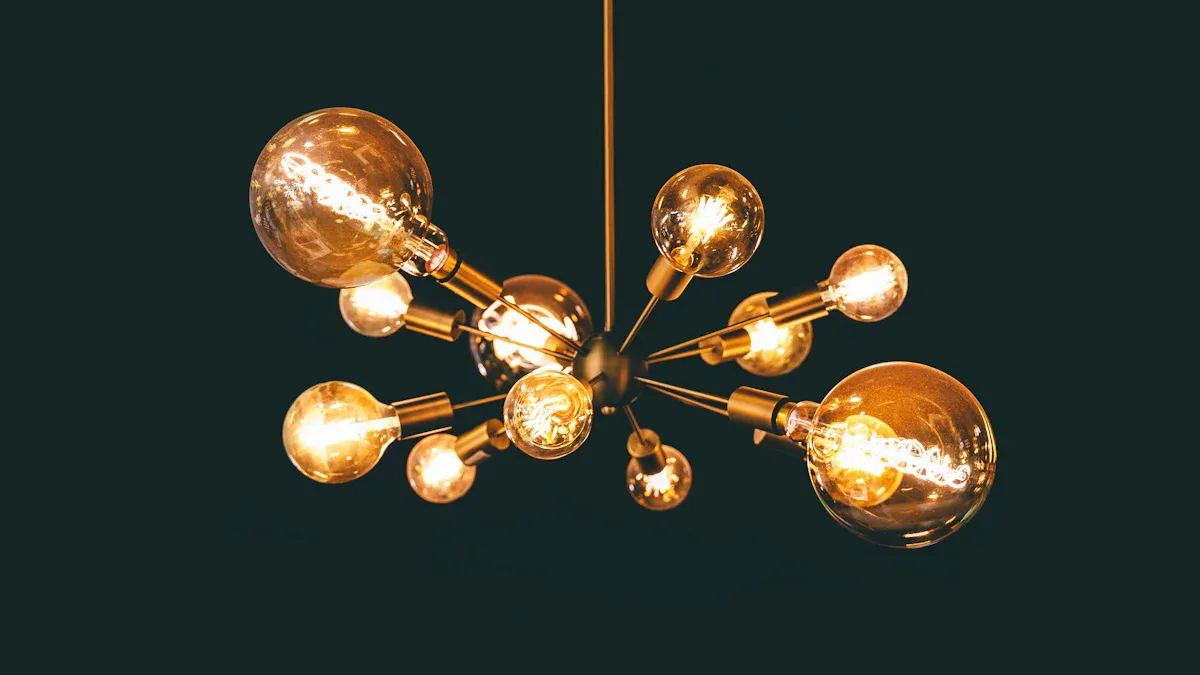
The choice of the right pendant light directly influences the atmosphere of a room. A well-selected light combines style, functionality, and efficiency. Modern pendant lights offer a variety of designs that perfectly adapt to different interior styles. In addition to aesthetics, lighting also plays a central role. Bright, energy-efficient models like the Nordlux LED pendant light impress with their lifespan of up to 30,000 hours and an energy consumption of 20 kWh per 1000 hours. Such features make them a sustainable choice that saves costs in the long run.
Key Insights
-
The right pendant light makes the room cozy. Choose a lamp that is both beautiful and practical.
-
Pay attention to how high the lamp hangs. It should be 60–70 cm above the table to ensure good light distribution.
-
There are many styles such as simple, industrial, and vintage. Choose a style that fits your room.
-
LED lamps are economical and long-lasting. They save energy and money.
-
Consider the color of the light. Warm light is cozy, while neutral light is better suited for work.
Style and Modern Pendant Lights
Impact on Room Aesthetics
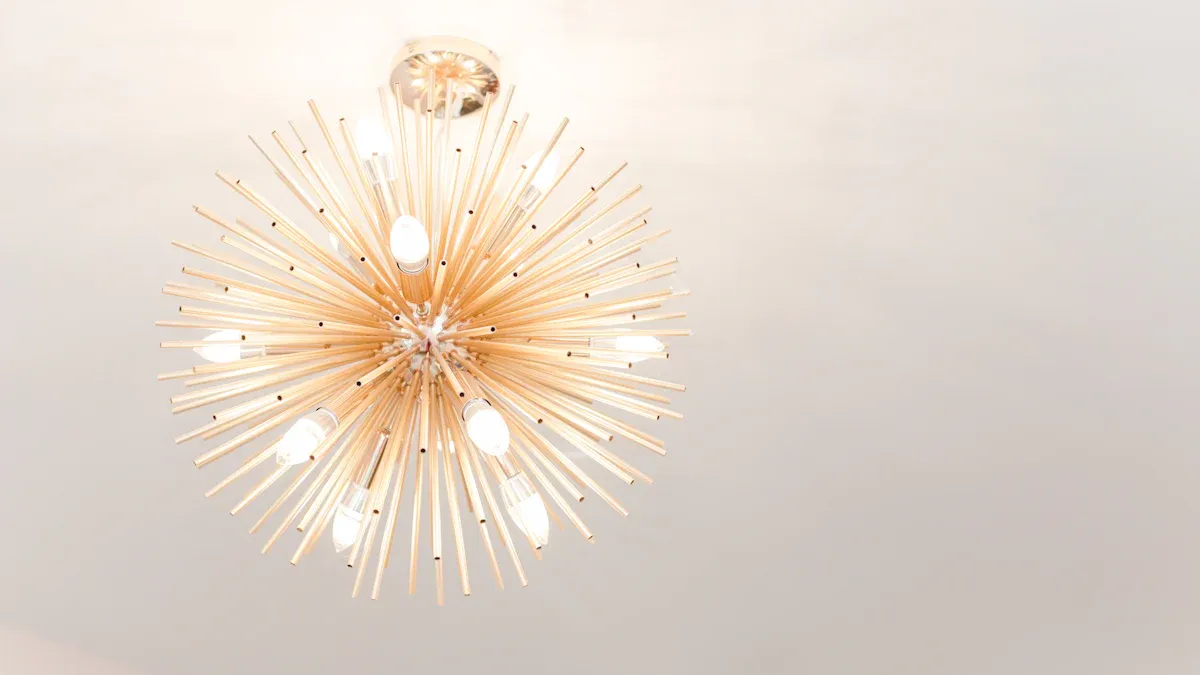
Pendant lights are more than just light sources. They shape the atmosphere of a room and set stylish accents. A large pendant light in a room with high ceilings can make an impressive statement. In smaller rooms, compact designs or groups of lights appear more harmonious. The optimal height for pendant lights is 60–70 cm above the dining table to ensure both functionality and aesthetics.
Tip: For elongated tables, three or five pendant lights are ideal. With three lights, the table surface should be quartered, and with five lights, divided into sixths.
Popular Styles: Minimalist, Industrial, Vintage
Modern pendant lights come in a variety of styles that cater to different tastes and interior concepts:
-
Minimalist: Clear lines and simple shapes take center stage. These designs fit perfectly with modern and Scandinavian interior styles.
-
Industrial: Materials like steel, solid wood, and glass dominate. Bare bulbs and typography posters are typical elements of this style, which originated in New York's art scene.
-
Vintage: Retro designs with warm colors and playful details give rooms a nostalgic touch.
Selection Based on Decor and Taste
The choice of the right pendant light depends on your personal style and the decor of your room. In small spaces, minimalist designs are ideal, while larger rooms benefit from more extravagant lights. An LED pendant light offers you not only energy efficiency but also innovative light colors that enhance the space.
|
Aspect |
Description |
|---|---|
|
Impact on Living Comfort |
Smart lighting systems create a pleasant living atmosphere. |
|
Energy Efficiency |
Modern lighting technologies significantly reduce energy consumption. |
|
Adaptability |
Residents can individually adjust the light mood. |
If you want harmonious lighting, choose multi-bulb pendant lights with an odd number of lights. These appear particularly balanced and stylish.
Functionality and Lighting
Lighting Purposes: Accent, Work, Ambient
Pendant lights serve various lighting purposes that adapt to the requirements of the room. Accent lighting highlights specific areas and creates visual contrasts. You can use them to showcase artworks, furniture, or decorations. Track lighting systems with adjustable spotlights offer you maximum flexibility in light direction.
For work areas like kitchen islands or desks, direct light is suitable. It ensures clear visibility and supports productive work. Diffused light, on the other hand, creates a cozy atmosphere. It is ideal for living and dining areas where you want to relax or entertain guests.
Tip: A balanced general lighting combines accent and ambient light to create a harmonious room atmosphere.
Light Intensity and Color Temperature
The light intensity and color temperature influence the effect of the light and the mood in the room. Warm white light with a color temperature of 2000 to 3000 Kelvin creates a cozy atmosphere. It is particularly suitable for living and bedrooms. Neutral white light (3000 to 4500 Kelvin) is functional and fits well in kitchens or offices. Daylight white light (4500 to 6500 Kelvin) promotes concentration and is suitable for work areas like laboratories or hospitals.
|
Color Temperature (Kelvin) |
Light Color |
Application |
|---|---|---|
|
2000 - 3000 |
Warm White |
Living and Bedrooms |
|
3000 - 4500 |
Neutral White |
Offices, Kitchens, Schools |
|
4500 - 6500 |
Daylight White |
Hospitals, Laboratories, Offices |
The lower the Kelvin value, the warmer the light appears. You can deliberately choose the color temperature to create the desired mood in the room.
Practical Functions: Dimming and Flexibility
Modern pendant lights offer practical functions such as dimming and flexibility. With dimmable lights, you can adjust the light intensity to your needs. For cozy evenings, you can reduce the brightness, while for focused work, you choose a stronger illumination.
The length of the pendant also plays an important role. Models with a length of up to 120 cm can be adapted to different ceiling heights and lighting needs. This flexibility allows you to optimally integrate the light into your space.
Note: Dimmable pendant lights are particularly practical as they are suitable for both work light and atmospheric lighting.
Pendant Lights for Different Rooms
Living Room: Coziness and Design
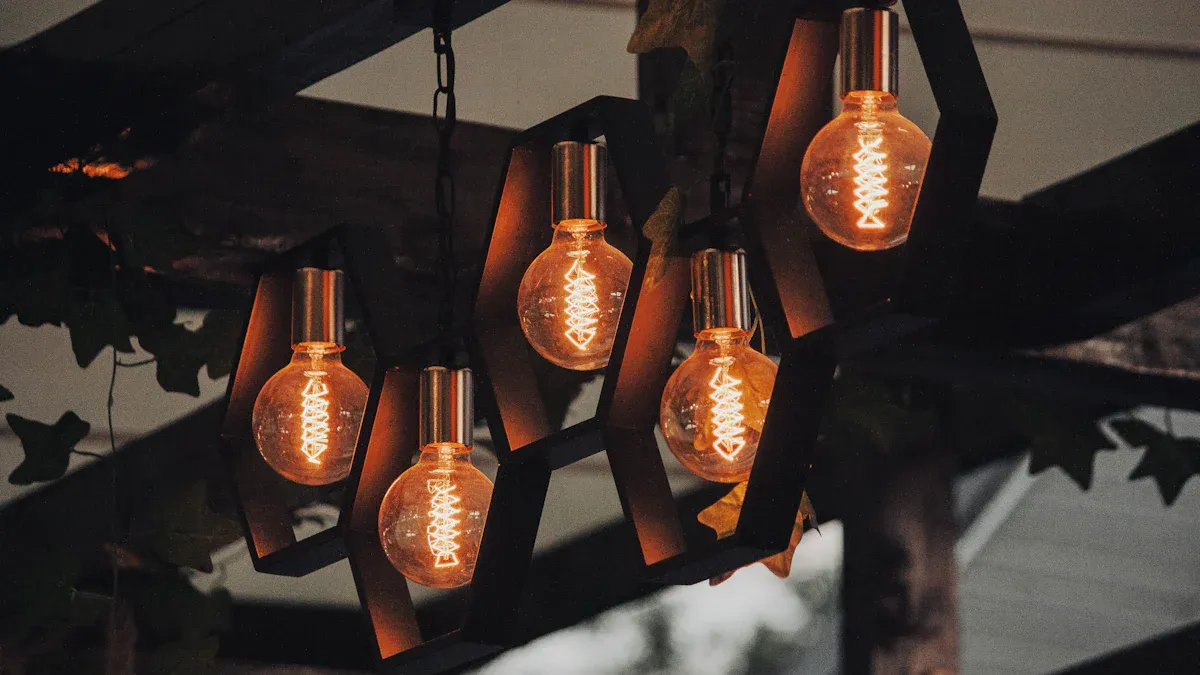
In the living room, the pendant light plays a central role. It creates a pleasant atmosphere and sets stylish accents. You can visually enhance the room with a modern pendant light while ensuring cozy lighting. Models with warm white light (2000–3000 Kelvin) create a comfortable mood, perfect for relaxed evenings or social gatherings.
A multi-bulb pendant light over the coffee table or in the center of the room provides even light distribution. If you have high ceilings, choose a longer pendant length to optimally illuminate the space. For smaller living rooms, compact designs are suitable that do not appear too dominant.
Tip: Combine the pendant light with indirect lighting, such as LED strips or wall lamps, to create a harmonious light mood.
Kitchen: Functionality and Work Light
In the kitchen, the right lighting is crucial for efficient work. Pendant lights over the kitchen island or dining table provide direct light that optimally illuminates the work surface. The ZEUS pendant light is an excellent example. With a light output of up to 2,100 lumens, it ensures even illumination of the room.
For installation, you should consider the following recommendations:
-
Height: Hang the light 80 to 100 cm above the work surface.
-
Number: Plan one light for every 1.5 to 2 m² of work surface.
-
Design: Choose models with neutral white light (3000–4500 Kelvin) for clear visibility.
Well-lit kitchen islands are not only practical but also increase the value of your home. Studies show that 75% of homeowners prefer well-lit kitchens. Additionally, 85% of buyers consider good lighting in the kitchen essential when purchasing a home.
Note: A modern pendant light with dimmable function allows you to adjust the light intensity as needed.
Bedroom: Relaxation and Soft Lighting
In the bedroom, the pendant light supports your relaxation and creates a calming atmosphere. Warm light with a color temperature of 2700 Kelvin promotes melatonin production and prepares your body for sleep. Dimmable models are particularly practical as you can individually adjust the brightness.
|
Aspect |
Description |
|---|---|
|
Light Color |
Soft, warm light promotes melatonin production and a restful sleep. |
|
Dimming Function |
Ideal is dimmable light with a color temperature of 2700 Kelvin. |
|
Ambient Lighting |
Especially soft, warm, and glare-free for a calming atmosphere. |
A pendant light with indirect light or LED strips creates a harmonious base lighting. You can place it above the bed or in the center of the room to achieve even light distribution.
Tip: Avoid harsh light in the bedroom as it can disrupt relaxation. Instead, choose models with warm light and glare-free designs.
Office: Concentration and Clear Lighting Conditions
In the office, the right lighting plays a crucial role. It affects your concentration and productivity. Pendant lights provide targeted lighting specifically designed for work areas. They create clear lighting conditions that help you stay focused.
Pendant lights with daylight-like color temperatures promote your concentration. These light colors, often in the range of 4000 to 5000 Kelvin, appear neutral and cause less eye fatigue. Especially in offices without sufficient daylight, such lights are indispensable.
-
Pendant lights create light cones that shine directly over workspaces.
-
An optimal light distribution occurs when the light cones slightly overlap.
-
The correct placement of lights improves the lighting conditions in work and meeting areas.
Tip: Hang the pendant lights about 60–80 cm above the desk. This avoids glare and provides even illumination.
Pendant lights are not meant to illuminate the entire room. Instead, they focus on specific areas like desks or conference tables. This focus helps minimize distractions and allows you to concentrate on your tasks.
|
Lighting Aspect |
Benefit for the Office |
|---|---|
|
Daylight-like Colors |
Support concentration and reduce eye fatigue. |
|
Targeted Light Cones |
Improve lighting conditions directly over workspaces. |
|
Flexible Placement |
Allows you to adapt the lighting to the needs of your office. |
Thoughtful lighting in the office not only increases your efficiency but also your well-being. Choose pendant lights that are dimmable to adjust the light intensity for different tasks. For creative work, you can choose brighter light, while for meetings, subdued lighting is more pleasant.
Note: Invest in energy-efficient LED pendant lights. They save electricity and provide you with a long-lasting solution for your office.
With the right pendant light, you create an environment that promotes your concentration and makes working easier.
Materials and Energy Efficiency
Glass, Metal, Wood, and Plastic
The choice of material for your pendant light not only influences the appearance but also the functionality and maintenance. Each material has its own advantages:
-
Metal: This material is robust and durable. It is particularly suitable for the industrial look and gives your space a modern touch.
-
Glass: Glass offers an elegant appearance and ensures even light distribution. However, it is more fragile and can break more easily.
-
Wood: Wood brings warmth and naturalness into the room. However, it requires more maintenance to preserve its quality.
Tip: Combine different materials to create a unique style. A pendant light made of wood and metal can, for example, combine coziness and modernity.
LED Technology and Energy Savings
Modern pendant lights with LED technology offer you numerous advantages. LEDs consume up to 80% less power than conventional incandescent bulbs and have a lifespan of up to 50,000 hours.
-
LEDs allow for energy savings of about 70% compared to other lighting systems.
-
They provide a light output of up to 180 lumens/watt, while incandescent bulbs only reach 10–15 lumens/watt.
-
An LED with 600 lumens requires only about 10 watts, while an incandescent bulb with the same brightness consumes 60 watts.
Note: With LED pendant lights, you not only save electricity but also costs in the long term. They are a sustainable choice for any room.
Sustainable and Eco-Friendly Designs
Sustainability plays an increasingly important role in lighting selection. Many modern pendant lights are made from recyclable materials such as glass or metal. Some designs even use sustainable raw materials like bamboo or FSC-certified wood.
-
Eco-friendly lights minimize the ecological footprint.
-
LED technology reduces energy consumption and CO₂ emissions.
-
Manufacturers are increasingly offering models with replaceable components to extend their lifespan.
Tip: When purchasing, look for certifications such as the EU Energy Label or the FSC seal. These guarantee that the light was produced in an environmentally friendly manner.
With the right combination of material, technology, and design, you can choose a pendant light that is not only stylish but also sustainable and energy-efficient.
The perfect pendant light combines style, functionality, and energy efficiency. With a thoughtful selection, you can deliberately influence the atmosphere of your room. Modern models offer you numerous advantages:
-
High light output through LED technology while simultaneously reducing power consumption.
-
Versatile designs that fulfill both practical functions and set decorative accents.
Pendant lights adapt to your taste and needs. Choose a model that enhances your space and saves costs in the long run. With the right light, you create a harmonious connection between aesthetics and sustainability.
FAQ
How do I choose the right pendant light for my room?
Consider the size of the room, the ceiling height, and the style of your decor. For small rooms, minimalist designs are suitable. Large rooms benefit from eye-catching models. Ensure that the light is functional and aesthetically fits the room.
What light color is best suited for living spaces?
Warm white light (2000–3000 Kelvin) is ideal for living spaces. It creates a cozy atmosphere and promotes relaxation. For work areas like kitchens or offices, choose neutral white light (3000–4500 Kelvin).
Tip: Dimmable lights offer you flexibility in light mood.
How high should a pendant light hang?
Above a dining table, the pendant light should hang 60–70 cm above the tabletop. In the kitchen, the distance to the work surface is 80–100 cm. These heights ensure optimal lighting and prevent glare.
Are LED pendant lights really energy-efficient?
Yes, LED pendant lights consume up to 80% less energy than conventional incandescent bulbs. They have a lifespan of up to 50,000 hours and save electricity costs in the long run.
Note: LEDs are eco-friendly and reduce CO₂ emissions.
Can I install a pendant light myself?
Yes, with some handy skills, you can mount a pendant light yourself. Turn off the power beforehand and follow the manufacturer's instructions. However, if you are unsure, you should hire an electrician.
Safety first: Always check the electrical wiring before installation.