
Glass Pendant Lighting vs Recessed Lights Which Option Works Best
When it comes to transforming your space, the right lighting can make all the difference. Whether you're drawn to the elegance of glass pendant lighting or the sleekness of recessed lights, each option brings something unique to the table. Glass pendant lighting adds charm and personality, while recessed lights offer a clean, modern vibe. Your choice depends on how you want your room to feel and function. So, what kind of atmosphere are you aiming for?
Key Takeaways
-
Glass pendant lights make your space stylish and unique. They are great for drawing attention in kitchens and dining rooms.
-
Recessed lights give a neat and modern look. They fit well in simple designs and rooms with low ceilings.
-
Both lights can save energy, but recessed lights often light up spaces more efficiently.
-
You can use both types together. Recessed lights brighten the room, while pendant lights add special touches.
-
You can customize glass pendant lights. Change their height and style to match your space and taste.
Benefits of Glass Pendant Lighting
Aesthetic Appeal of Pendant Lighting
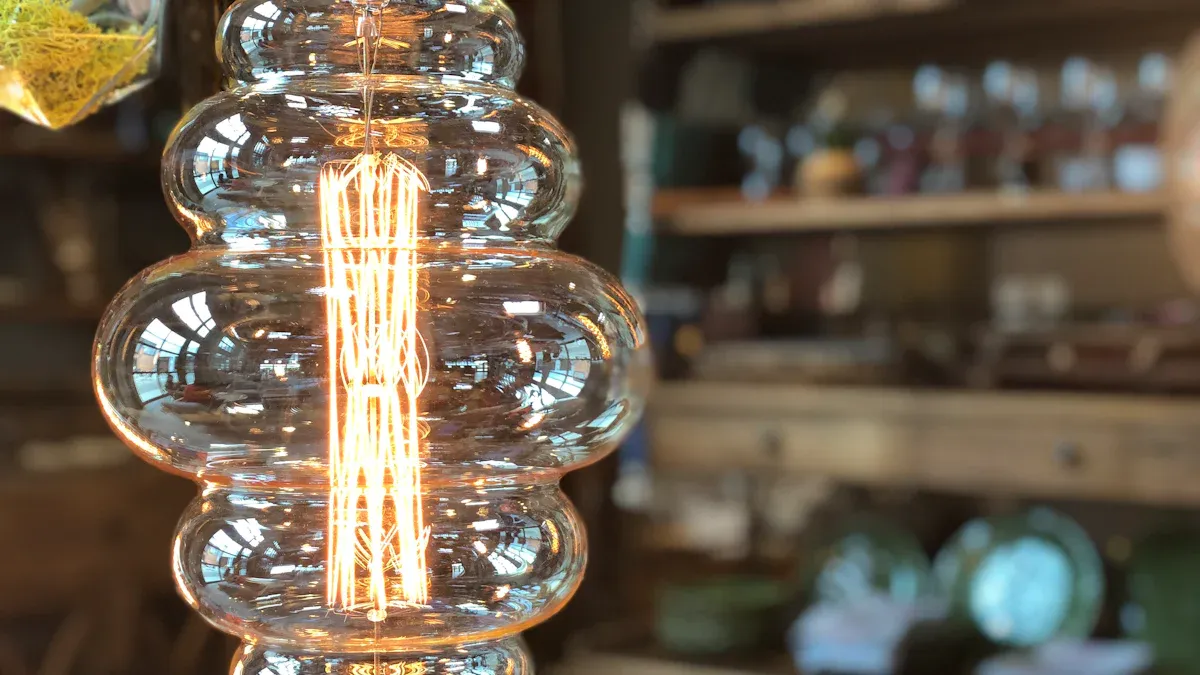
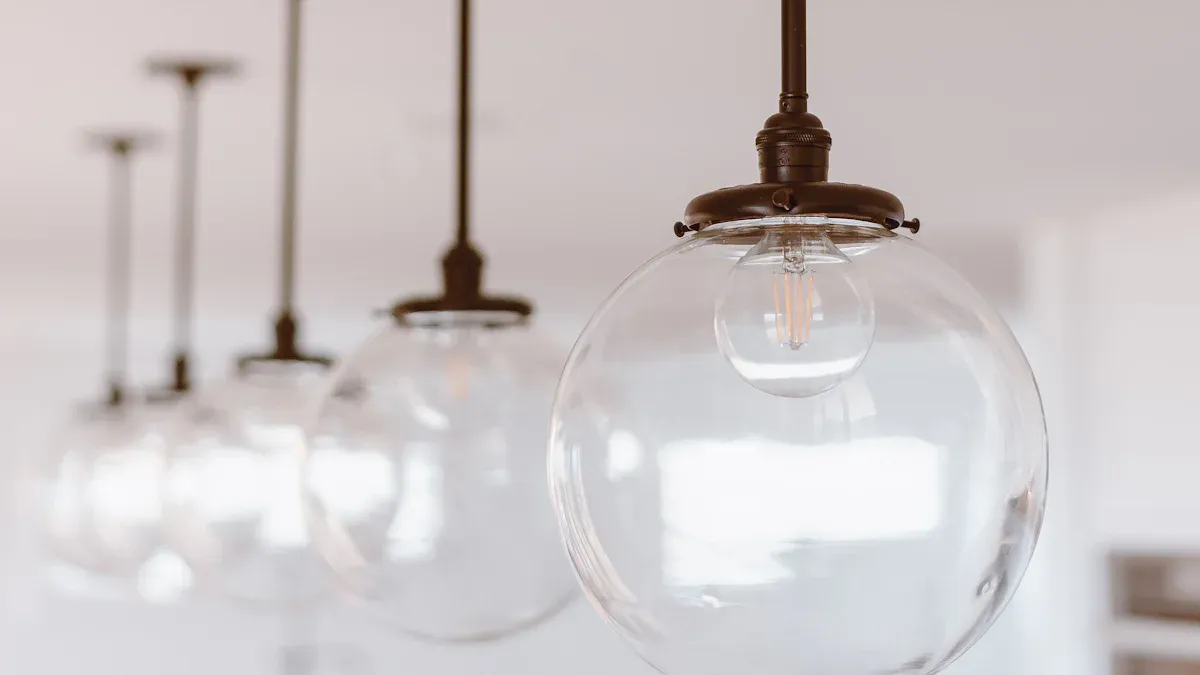
Glass pendant lighting is more than just a source of illumination—it’s a design statement. These lights create a decorative focal point in any room, drawing attention and adding personality to your space. Whether you prefer sleek modern designs or vintage-inspired styles, there’s a pendant light to match your taste.
Did you know? Glass pendant lights are available in a variety of shapes, finishes, and materials, making them adaptable to almost any décor. From industrial to mid-century modern, these lights can enhance the overall look of your home or office.
Recent trends show a growing interest in aesthetic-focused lighting. Many homeowners are embracing pendant lighting with retro and industrial elements, reflecting a resurgence of nostalgia in interior design. This versatility makes glass pendant lighting a popular choice for both residential and commercial spaces.
Functional Versatility of Glass Pendant Lighting
Pendant lighting isn’t just about looks—it’s incredibly functional too. These lights excel at task lighting, especially over kitchen islands, dining tables, and workspaces. Their ability to direct light precisely where you need it makes them perfect for activities like cooking, dining, or working.
For example, in kitchens, pendant lights provide diffuse yet directional light, ensuring your workspace is well-lit without harsh shadows. The Illuminating Engineering Society even recommends pendant lighting for creating a balance between task and ambient lighting, which can improve comfort and productivity.
And here’s the best part: glass pendant lighting can also double as ambient lighting. When dimmed, it creates a cozy and inviting atmosphere, perfect for relaxing evenings or intimate gatherings.
Customization Options for Pendant Lights
One of the standout features of glass pendant lighting is its customization potential. You can adjust the height of these lights to suit your ceiling type and room layout. This flexibility ensures they fit seamlessly into any space, whether it’s a compact kitchen or a grand dining room.
|
Category |
Description |
|---|---|
|
Customization |
Pendant lamps come in various materials, designs, and finishes, allowing for personalization. |
|
Consumer Preference |
Homeowners prioritize aesthetic appeal and functional lighting, showcasing diverse styles. |
|
Market Segmentation |
Residential, commercial, and outdoor segments each have unique lighting needs. |
Additionally, you can choose from a wide range of glass shades, including opal and transparent options. These shades let you tailor the lighting effect to your preference, whether you want a soft glow or a brighter, more focused light.
Glass pendant lighting combines beauty, functionality, and flexibility, making it a fantastic choice for any space.
Benefits of Recessed Lights
Minimalist Lighting Design
Recessed lights are perfect if you love a clean and modern look. These fixtures blend seamlessly into the ceiling, creating an uncluttered and polished appearance. Unlike bulky light fixtures, recessed lights stay out of sight, letting your room’s design take center stage.
They’re especially popular in contemporary interiors. Many homeowners and designers choose recessed lighting to achieve a sleek, minimalist vibe. With advancements like adjustable color temperatures, these lights can adapt to your mood or activity, making them a versatile choice for any space.
Fun fact: The recessed lighting market is booming, thanks to its ability to enhance both residential and commercial spaces. Smart home integration is also driving this trend, making these lights even more appealing.
Space-Saving Lighting Solution
If you’re working with low ceilings or tight spaces, recessed lights are a game-changer. Their flush design doesn’t take up any vertical space, which means you won’t have to worry about bumping into hanging fixtures. This makes them ideal for basements, hallways, or any area where space is at a premium.
Another bonus? Recessed lighting doesn’t interfere with furniture placement or room flow. You can arrange your furniture however you like without worrying about shadows or blocked light. It’s a practical solution that keeps your space feeling open and airy.
Even and Efficient Light Distribution
Recessed lights excel at providing consistent illumination. Their design ensures even light distribution, reducing shadows and brightening every corner of the room. This makes them a great option for general lighting in larger areas like living rooms or offices.
LED recessed lights take efficiency to the next level. They use less energy than traditional bulbs and last much longer, saving you money on electricity and replacements. Plus, their widespread illumination enhances the functionality of any space while maintaining a modern aesthetic.
|
Aspect |
Evidence |
|---|---|
|
Energy Efficiency |
Recessed lighting, especially with LED technology, uses less energy than traditional sources. |
|
Aesthetic Appeal |
The design flexibility of recessed lights enhances the overall aesthetic of spaces. |
|
Technological Advancements |
The shift towards LED technology has improved energy efficiency and reduced maintenance costs. |
Recessed lighting combines style, functionality, and efficiency, making it a smart choice for any home or office.
Key Comparisons Between Glass Pendant Lighting and Recessed Lights
Aesthetic Differences
When it comes to aesthetics, glass pendant lighting and recessed lights couldn’t be more different. Pendant lights are all about making a statement. They add character and visual interest to your space, often becoming the centerpiece of a room. With their wide variety of designs, materials, and finishes, pendant lights let you express your personal style. Whether you want a bold accent or a subtle complement to your décor, pendant lighting has you covered.
Pendant lights can even act as conversation starters. Their artistic designs and materials, like glass or fabric, create a warm and inviting atmosphere that recessed lights simply can’t match.
On the other hand, recessed lights take a more understated approach. They blend seamlessly into the ceiling, offering a subtle and streamlined appearance. This minimalist design works well in modern or contemporary spaces where you want the focus to stay on the room’s architecture or furniture.
Light Distribution and Functionality
The way these two lighting options distribute light is another key difference. Pendant lights focus light on specific areas, making them ideal for tasks like cooking, reading, or dining. For example, a pendant light over a kitchen island provides targeted illumination, ensuring you can see clearly while preparing meals.
Recessed lights, however, excel at providing even, widespread illumination. They brighten up entire rooms without creating harsh shadows, making them perfect for general lighting in larger spaces like living rooms or offices.
|
Light Type |
Light Distribution |
Ideal Use Case |
|---|---|---|
|
Pendant Lights |
Focused lighting |
Task-oriented areas (e.g., kitchens, dining tables) |
|
Recessed Lights |
Even, widespread illumination |
General lighting in larger spaces |
Energy Efficiency of Lighting Options
Both pendant and recessed lights can use LED bulbs, but recessed lights often take the lead in energy efficiency. A University of Michigan study found that LED recessed lights are up to 44% more efficient than traditional fluorescent tubes. This makes them a cost-effective choice for general lighting, especially in spaces where lights are used frequently.
Pendant lights, while stylish, may require multiple bulbs to achieve the same level of brightness as recessed lights. This can slightly reduce their overall efficiency. However, by choosing energy-efficient LED bulbs, you can still enjoy significant savings with either option.
Fun fact: Lighting accounts for about 11% of electricity use in homes and businesses. Switching to LED lighting options can make a big difference in your energy bills!
Installation Requirements
Pendant lighting requires ceiling mounts and wiring.
Installing pendant lighting is relatively straightforward. You’ll need ceiling mounts and basic wiring to get started. This makes pendant lights a great option if you’re looking for flexibility. They can be installed in various spots, whether it’s above a dining table or a kitchen island. Plus, they’re easier to set up compared to other lighting options. If you enjoy switching up your décor, pendant lights are perfect since they’re simple to reposition or replace.
💡 Tip: Pendant lights are renter-friendly! Their installation doesn’t require major modifications, so they’re ideal if you want stylish fixtures without permanent changes.
Recessed lights need ceiling cutouts and professional installation.
Recessed lights, on the other hand, demand a bit more effort. You’ll need to cut into the ceiling and manage insulation, which often calls for professional help. This process ensures the lights sit flush with the ceiling, giving your room that sleek, modern look. However, the initial costs can be higher. You’ll need quality LED fixtures and expert installation to avoid issues like overheating or uneven lighting.
If you’re planning a renovation or building a new home, recessed lights are worth considering. Their seamless design and even light distribution make them a long-term investment for your space.
Maintenance Considerations
Glass pendant lighting may require regular cleaning of glass shades.
Glass pendant lights are beautiful, but they do need a little extra care. Their exposed design means dust and grime can build up over time. Regular cleaning keeps the glass shades looking their best and ensures the lighting stays bright. The good news? These fixtures are easy to access, so replacing bulbs or performing general maintenance won’t be a hassle.
🧽 Note: Use a soft cloth and mild cleaner to avoid scratching the glass. A quick wipe every few weeks will keep your pendant lights sparkling!
Recessed lights are low-maintenance but may need occasional bulb replacements.
Recessed lights are a low-maintenance option. Their flush design minimizes dust accumulation, so you won’t need to clean them often. However, replacing bulbs can be tricky since they’re installed in the ceiling. You might need a ladder or even professional assistance for hard-to-reach fixtures.
Despite this, recessed lights are reliable and durable. With LED bulbs, you’ll enjoy long-lasting performance and fewer replacements, making them a practical choice for busy households.
Making the Right Choice for Your Space
When to Choose Glass Pendant Lighting
To create a statement piece in kitchens, dining rooms, or entryways.
Glass pendant lighting is perfect when you want to make a bold design statement. These fixtures can transform kitchens, dining rooms, or entryways into elegant and inviting spaces. Modern pendant lights, with their sleek designs and diverse finishes, add a touch of sophistication to any room. Whether you prefer clear glass for a contemporary vibe or frosted glass for a softer glow, these lights can elevate your home’s aesthetic.
Tip: Use pendant lights as a centerpiece to draw attention and create a warm, welcoming atmosphere.
For spaces that need task lighting with a decorative touch.
Pendant lights aren’t just pretty—they’re practical too. They provide focused lighting, making them ideal for tasks like cooking, reading, or dining. For example, hanging modern pendant lights over a kitchen island ensures you have the right amount of light for meal prep. Plus, their decorative appeal adds personality to your space, blending functionality with style.
When to Choose Recessed Lights
For rooms with low ceilings or a minimalist design aesthetic.
Recessed lights are a go-to option for low-ceiling spaces. Their flush design keeps the room feeling open and uncluttered. If you love a minimalist look, recessed lights fit seamlessly into your ceiling, complementing modern interiors without drawing attention away from your décor.
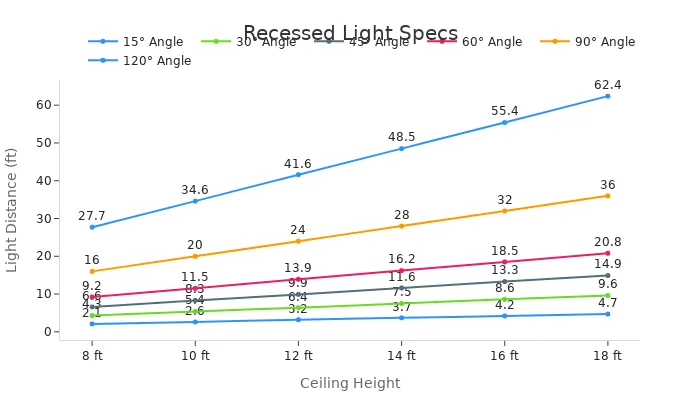
|
15° Angle |
30° Angle |
45° Angle |
60° Angle |
90° Angle |
120° Angle |
|
|---|---|---|---|---|---|---|
|
8 ft |
2.1 ft |
4.3 ft |
6.6 ft |
9.2 ft |
16 ft |
27.7 ft |
|
10 ft |
2.6 ft |
5.4 ft |
8.3 ft |
11.5 ft |
20 ft |
34.6 ft |
Note: Recessed lights work best in spaces where you want even illumination without visual clutter.
To achieve even lighting in living rooms, hallways, or bathrooms.
Recessed lights excel at providing consistent illumination. They brighten every corner of a room, making them ideal for general lighting in living rooms, hallways, or bathrooms. With LED options, you can enjoy energy-efficient lighting solutions that last longer and save money.
Combining Pendant Lighting and Recessed Lights
Use recessed lights for general illumination and pendant lights for accents.
Why choose one when you can have both? Combining recessed lights with modern pendant lights creates a layered lighting approach that’s both functional and stylish. Use recessed lights for broad, even coverage and pendant lights to highlight specific areas like dining tables or kitchen islands.
Ideal for layered lighting designs in larger spaces.
In larger spaces, a mix of lighting solutions works wonders. Recessed lights provide the foundation, while pendant lights add depth and character. This versatile lighting solution enhances your home’s ambiance and ensures every corner is well-lit.
Pro Tip: Layered lighting isn’t just practical—it’s a design statement. Experiment with different styles to find the perfect balance for your space.
Choosing between glass pendant lighting and recessed lights depends on your space and style preferences. Pendant lights bring personality and charm, making them the best spaces for pendant lights like dining rooms or kitchens. They create a decorative focal point while offering focused task lighting. Recessed lights, on the other hand, provide a clean, professional look with even illumination, perfect for larger areas. Both options include energy-efficient models, but recessed lights may save more energy due to their widespread coverage.
For a balanced approach, consider combining both. Use recessed lights for general lighting and pendant lights to enhance the ambience. This layered design creates elegant lighting solutions that elevate your home’s aesthetic. Whether you prefer the versatility of chandeliers or the subtlety of recessed lights, the right choice will transform your space beautifully.
FAQ
What are the main differences between chandeliers and pendant lights?
Chandeliers typically have multiple light sources and are larger, making them ideal for grand spaces. Pendant lights, on the other hand, are single fixtures that focus light on specific areas. They’re more versatile and work well in smaller rooms or as task lighting.
Can you combine pendant lights with recessed lighting?
Absolutely! Recessed lighting provides general illumination, while pendant lights add character and focus on specific areas. Combining both creates a layered lighting design that’s functional and stylish. It’s perfect for larger spaces like kitchens or living rooms.
Are pendant lights energy-efficient?
Yes, especially when paired with LED bulbs. Pendant lights can be energy-efficient and cost-effective. Just make sure to choose bulbs that match your lighting needs. LEDs last longer and use less energy, saving you money in the long run.
How do you choose the right pendant light for your space?
Consider the room’s size, ceiling height, and purpose. For task lighting, pick a pendant with focused illumination. For ambiance, go for a design that complements your décor. Adjustable-height pendants are great for flexibility.
Are pendant lights easy to maintain?
Yes, they’re relatively easy to maintain. You’ll need to clean the shades regularly to keep them dust-free. Replacing bulbs is straightforward too. Use a soft cloth and mild cleaner to avoid scratching the glass.