
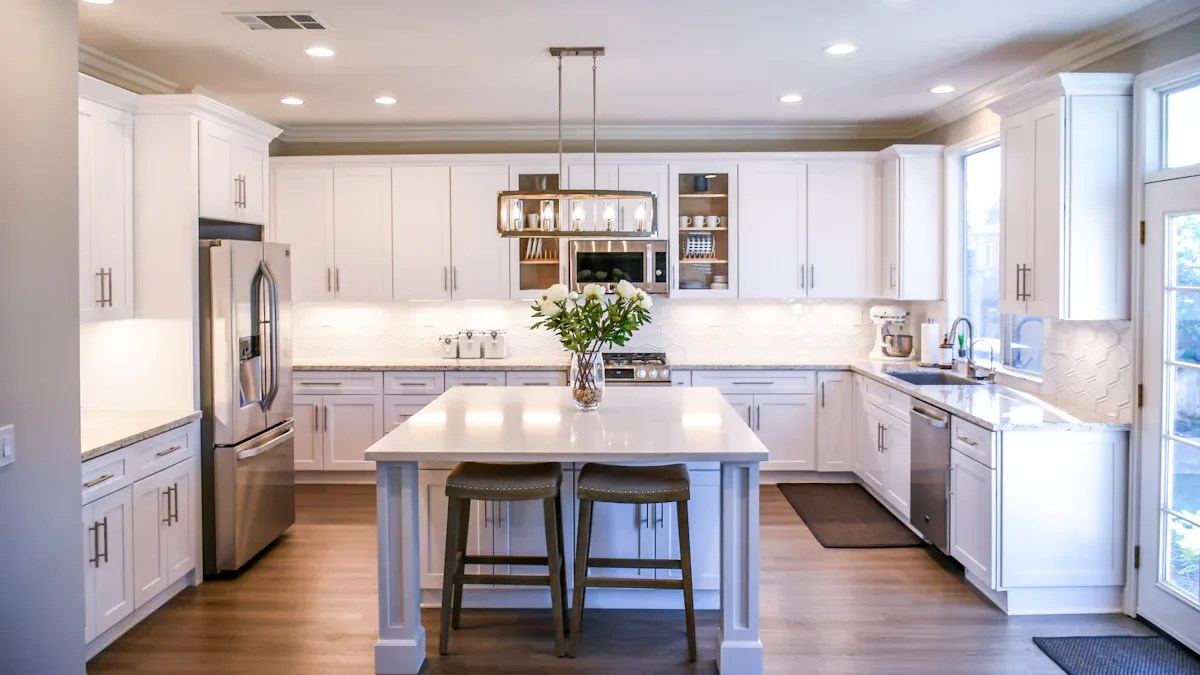
Energy-efficient lighting is no longer merely a trend; it has become a necessity for contemporary homes. Traditional lighting, such as incandescent bulbs, squanders energy and contributes to elevated carbon emissions. Transitioning to energy-efficient alternatives, like LED fixtures, can substantially diminish your energy consumption and environmental impact. Did you know that LEDs alone could reduce global electricity use for lighting by up to 40% by 2030? This represents a transformative change for both your finances and the planet.
Innovative technologies are reshaping how you illuminate your kitchen. Smart systems, for example, allow you to automate and customize lighting to suit your requirements. Envision your kitchen lights adjusting automatically to brighten your workspace or dimming for an intimate dinner. These advancements not only enhance functionality but also render your home more sustainable.
By embracing energy-efficient solutions, you are not merely saving money; you are contributing to a greener future. Furthermore, with longer-lasting bulbs and sustainable materials, you will minimize waste and maintenance efforts. It is a win-win for both you and the environment.
Key Kitchen Light Technologies for 2025
Advancements in LED Lighting
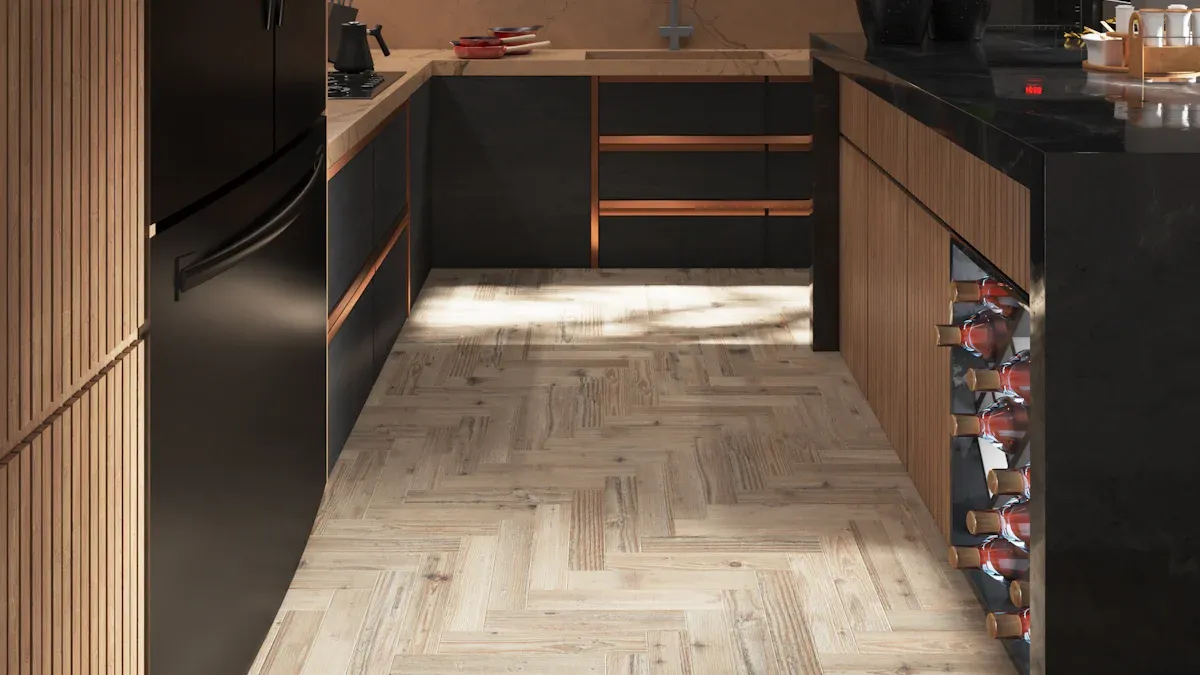
LED lighting has made significant strides, and by 2025, it is anticipated to dominate over 80% of the global lighting market. Why? Because LEDs are remarkably efficient and versatile. A 12-watt LED can produce the same brightness as a 60-watt incandescent bulb, yet it consumes significantly less energy. Moreover, LEDs have a much longer lifespan—up to 25,000 hours or more compared to just 1,000 hours for traditional bulbs. This translates to fewer replacements and reduced waste.
Even more exciting is the emergence of smart LED systems. These advanced lights can save up to 50% more energy than standard LEDs. Imagine having lights that adjust automatically based on your needs, whether you are chopping vegetables or enjoying a quiet dinner. With LEDs, you are not just conserving energy; you are also enhancing your kitchen lighting experience.
Smart Lighting Systems and Automation
Smart lighting is revolutionizing how you control your kitchen illumination. These systems come equipped with features such as motion sensors, geo-fencing, and remote control via your smartphone. Forgot to turn off the lights? No problem—you can do it from anywhere. Some systems even adjust light levels based on natural daylight, ensuring you only use what is necessary.
You will also appreciate the convenience of voice control. Simply say, “Turn on the kitchen lights,” and you are all set. These systems not only conserve energy; they also simplify your life and make your kitchen smarter.
Solar-Powered Kitchen Light Options
Solar-powered lighting is gaining popularity as a sustainable choice for kitchens. These systems capture sunlight during the day and store it for nighttime use. They are ideal for creating various moods, whether you require bright task lighting for cooking or warm ambient lighting for dining. Some even feature motion-activated path lighting, adding both safety and style to your kitchen.
By opting for solar-powered solutions, you are not only reducing electricity bills but also minimizing your carbon footprint, making your kitchen lighting setup eco-friendly and cost-effective.
Emerging OLED Lighting Systems
OLED lighting represents the future of design and efficiency. These ultra-thin, flexible panels can be integrated into walls or even curved surfaces, offering endless creative possibilities. Unlike traditional lights, OLEDs emit a soft, natural light that is gentle on the eyes and free from harmful UV rays.
Furthermore, OLEDs are perfect for modern kitchens. They provide a full color spectrum, making your space appear vibrant and inviting. If you seek a sleek, energy-efficient solution, OLEDs are certainly worth considering.
Design Considerations for Energy-Efficient Kitchen Light Solutions
Task Lighting for Work Areas
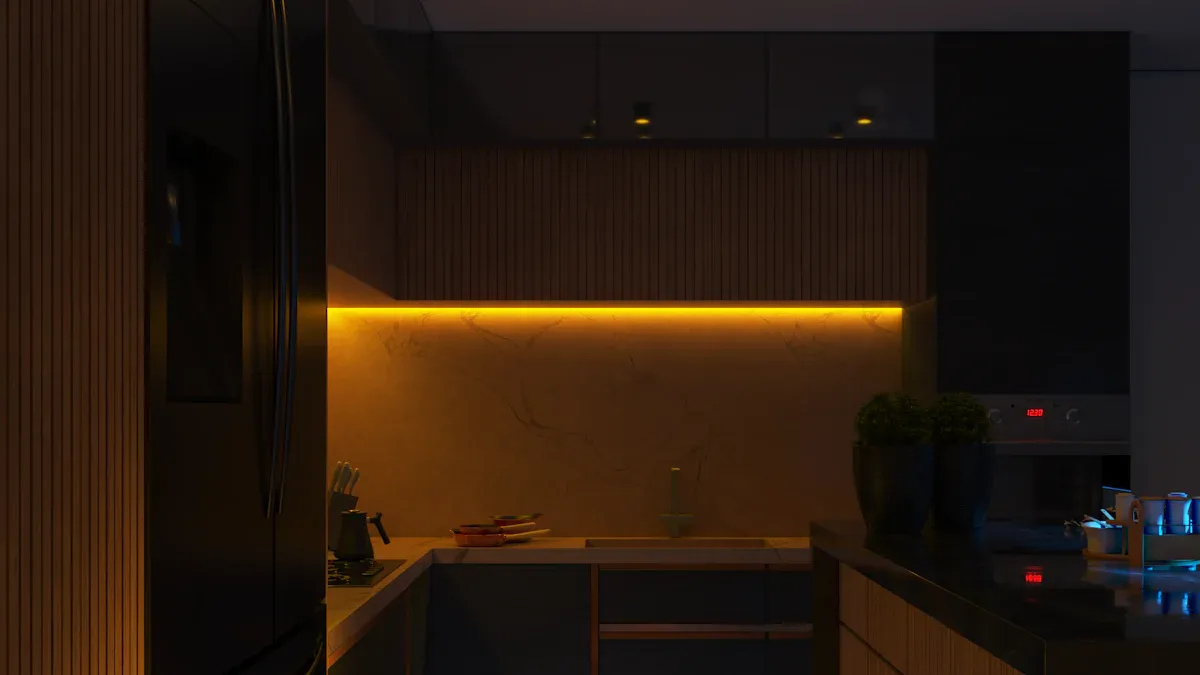
Task lighting focuses on enhancing the functionality of your kitchen workspaces. You require bright, directed light for areas such as countertops, sinks, and cooking zones. Under-cabinet lights are an excellent choice in this regard. They are versatile, energy-efficient, and ideal for illuminating your tasks without casting shadows. Positioning these lights toward the front edge of cabinets ensures even better coverage.
LED options are your best choice for task lighting. They last longer, consume less energy, and often come with adjustable brightness and color temperature settings. Look for lights with a high Color Rendering Index (CRI). This guarantees that colors appear vibrant and true, which is particularly beneficial when preparing food. With the appropriate task lighting, you will make your kitchen both practical and energy-efficient.
Ambient Lighting for Overall Illumination
Ambient lighting establishes the atmosphere for your entire kitchen. It provides general illumination, creating a warm and inviting space. Ceiling fixtures are a popular choice for ambient lighting. Opt for energy-efficient models to lower electricity bills while maintaining a bright and welcoming ambiance.
The right ambient lighting not only enhances functionality but also uplifts your mood. Whether you are cooking, dining, or entertaining, a well-lit kitchen fosters a comfortable environment. By selecting sustainable fixtures, you are also contributing to a greener planet.
Accent Lighting for Aesthetic Appeal
Accent lighting infuses personality into your kitchen. It highlights specific features such as a backsplash, open shelving, or decorative elements. LED strip lights or puck lights work wonderfully for this purpose. They are energy-efficient and can be installed creatively to enhance your kitchen’s design.
You can also utilize accent lighting to create a cozy atmosphere. For instance, dimmable lights under cabinets or above cabinets can cast a soft glow. This not only elevates the aesthetic of your kitchen but also keeps energy consumption low.
Layering Light for Maximum Efficiency
Layering light is the key to a well-illuminated kitchen. By combining task, ambient, and accent lighting, you will achieve a balanced and efficient setup. Each layer serves a distinct purpose, ensuring your kitchen is both functional and stylish.
Begin by addressing your primary needs with task lighting. Next, incorporate ambient lighting to brighten the entire area. Finally, use accent lighting to highlight key features. This layered approach minimizes shadows and glare while maximizing energy efficiency. It is the ideal way to ensure your kitchen lighting setup operates smarter, not harder.
Practical Tips for Implementing Energy-Efficient Kitchen Lighting
Selecting the Right Fixtures and Bulbs
Choosing the appropriate fixtures and bulbs is the first step toward creating an energy-efficient kitchen. Start by focusing on the bulb's brightness, measured in lumens, to ensure it provides sufficient light for your needs. For a cozy ambiance, consider the color temperature, typically expressed in degrees Kelvin. Want to save even more energy? Seek bulbs with ENERGY STAR certification or high lumens-per-watt ratings.
Here’s a quick checklist to guide you:
-
Brightness: Match the lumens to your lighting needs.
-
Color Temperature: Choose warmer tones for dining areas and cooler tones for workspaces.
-
Compatibility: Ensure the bulb fits your fixture’s voltage and base.
-
Fixture Type: Select bulbs designed for your specific fixture, such as enclosed or recessed lights.
LEDs are your optimal choice. They save up to 90% more energy than traditional bulbs and have a significantly longer lifespan.
Optimizing Lighting Placement
The placement of your lights is as crucial as the type of lights you select. Position task lighting directly above work areas like countertops and sinks to eliminate shadows. For ambient lighting, center ceiling fixtures to evenly illuminate the space. Accent lighting, such as under-cabinet strips, can highlight design features while adding functionality.
💡 Tip: Layer your lighting. Combine task, ambient, and accent lights to create a balanced and efficient setup. This approach not only enhances visibility but also reduces energy waste.
Integrating Smart Controls and Sensors
Smart controls and sensors simplify the management of your kitchen lighting. Replace traditional switches with smart alternatives like Zigbee LED Drivers or SONOFF SV devices for remote control. You can even automate your lights with motion sensors or timers. For instance, occupancy sensors can activate lights when you enter the kitchen and turn them off when you leave, reducing energy use by up to 30%.
Voice assistants like Alexa or Google Assistant can also integrate seamlessly. Just say, “Turn off the kitchen lights,” and you’re done. These upgrades conserve energy and add convenience to your daily routine.
Budget-Friendly Upgrades for Energy Savings
You do not need to spend a fortune to enhance the efficiency of your kitchen lighting. Begin by upgrading to LED bulbs, which consume 75% less energy and last 25 times longer than incandescent options. Focus on high-use areas like overhead fixtures or under-cabinet lights for maximum impact.
Another cost-effective option is replacing outdated fixtures with ENERGY STAR-certified models. These fixtures optimize light distribution and reduce energy consumption. Small changes like these can lead to significant savings over time.
Pro Tip: Prioritize upgrades in areas where lights are used the most. This strategy ensures you get the best return on your investment.
Benefits of Energy-Efficient Kitchen Light Solutions
Lower Energy Bills
Transitioning to energy-efficient lighting can yield a noticeable reduction in your monthly bills. Upgrading to LED bulbs, for instance, lowers energy use by up to 75%. These bulbs also last 25 times longer than traditional incandescent ones, so you will save on replacements as well. Replacing outdated fixtures with ENERGY STAR-certified options further optimizes energy use and reduces costs.
💡 Tip: Concentrate on high-use areas like overhead lights or under-cabinet fixtures to maximize your savings.
Improved Kitchen Functionality
Effective lighting transforms how you utilize your kitchen. Task lighting, such as under-cabinet LEDs, ensures your countertops and stovetops are well-lit, making meal preparation safer and easier. These lights do not occupy space but provide focused illumination where it is needed most. Proper lighting also reduces eye strain, allowing you to work more comfortably.
Modern fixtures that mimic natural light can even elevate your mood and productivity. Whether you are cooking, cleaning, or hosting, a well-lit kitchen feels more inviting and functional.
Positive Environmental Impact
Energy-efficient lighting is not only beneficial for your finances—it is also advantageous for the planet. By consuming less electricity, these solutions lower carbon emissions and decrease the demand on fossil fuel power plants. Every kilowatt-hour saved translates to fewer greenhouse gases released into the atmosphere. Additionally, many energy-efficient products utilize sustainable materials, reducing waste during manufacturing.
🌱 Note: Minor adjustments in your kitchen lighting can significantly impact the environment.
Enhanced Home Value
Energy-efficient lighting increases the value of your home. Modern buyers appreciate features that lower utility costs, and LED bulbs or ENERGY STAR-rated fixtures accomplish just that. These upgrades also foster a warm, welcoming atmosphere, making your home more attractive to potential buyers. A well-lit kitchen not only looks appealing but also signals that your home is contemporary and energy-conscious.
🏡 Pro Tip: Highlight your energy-efficient lighting when listing your home—it is a selling point that buyers will notice.
Embracing energy-efficient kitchen lighting is a straightforward yet impactful method to foster a sustainable future. By switching to LED bulbs or smart fixtures, you will conserve energy, lower bills, and enjoy a more functional kitchen. Smart controls, such as motion sensors, further facilitate energy conservation without requiring any effort on your part.
Here’s why it matters:
-
Lower Energy Use: LEDs and energy-efficient fixtures significantly reduce electricity consumption.
-
Eco-Friendly Living: Diminishing greenhouse gas emissions aids in combating climate change.
-
Longer Lifespan: LEDs last up to 25 times longer than traditional bulbs.
Investing in these solutions transforms your kitchen into a modern, eco-conscious space. Why wait? Begin exploring these technologies today and make choices that benefit both your home and the planet. 🌱