
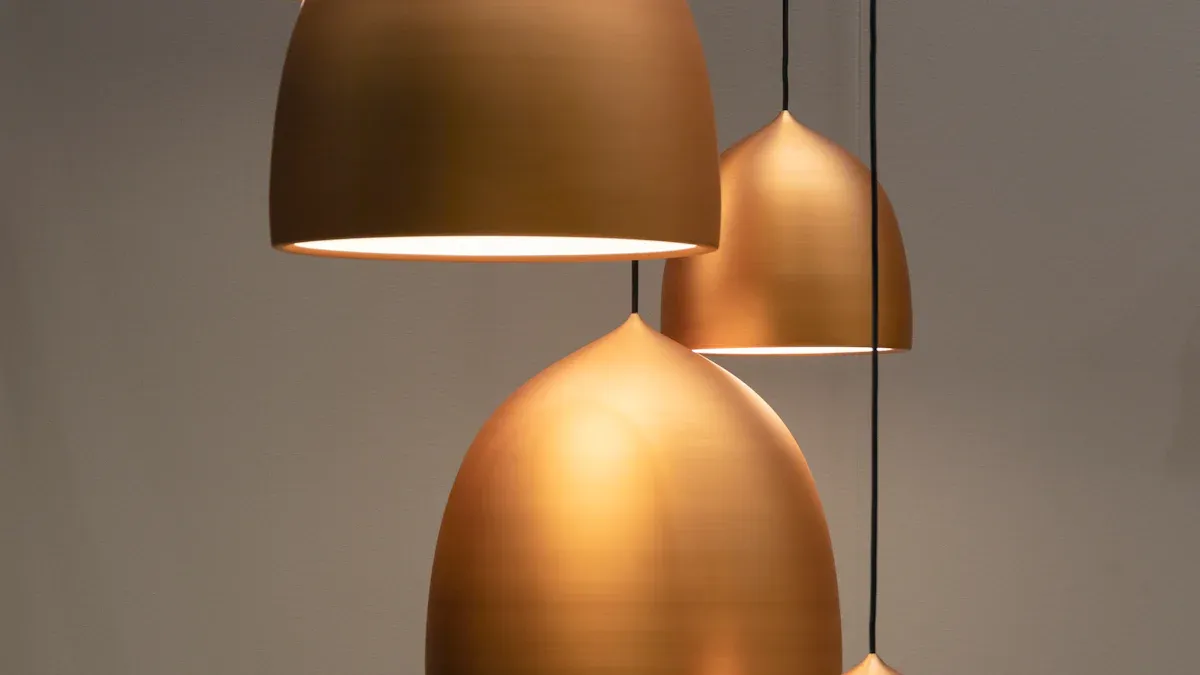
Copper Pendant Lights vs Other Metals Which Offers Better Durability
When you think about pendant lights, copper pendant lights stand out because of their durability and timeless charm. Copper lighting doesn’t just look great—it lasts. Did you know that LED bulbs can shine for up to 50,000 hours? That’s 20 years of regular use! Pair that longevity with copper’s sturdy nature, and you’ve got a lighting fixture that’s built to last. Plus, copper adds warmth and elegance to any space, making it a favorite for homeowners who want both style and reliability. It’s not just lighting; it’s an investment in beauty and endurance.
Key Takeaways
-
Copper pendant lights are strong and do not rust easily. They are great for wet places like kitchens and bathrooms.
-
Over time, copper changes color, giving it a cool, old look. It stays pretty with little cleaning needed.
-
Copper lasts a long time and looks good forever. This makes it worth the money compared to other metals.
-
Stainless steel looks shiny and modern, but it feels colder and does not change like copper.
-
Think about what matters most—style, cleaning, or price—when picking a pendant light for your room.
Durability Comparison
Durability of Copper Pendant Lights
When it comes to durability, copper pendant lights are in a league of their own. Copper is naturally resistant to corrosion, which means it can withstand moisture and humidity without rusting. This makes it an excellent choice for kitchens, bathrooms, or even outdoor spaces. Over time, copper develops a patina—a greenish or brownish layer—that not only protects the surface but also adds character to the lighting. You might think of it as aging gracefully, like a fine wine.
Another great thing about copper lighting is its strength. It doesn’t dent or scratch easily, so you don’t have to worry about everyday wear and tear. Whether you’re installing a copper pendant light in a busy household or a commercial space, it’s built to last. Plus, copper is recyclable, which means it’s not just durable but also eco-friendly. If you’re looking for a lighting option that combines longevity with sustainability, copper lighting is hard to beat.
Durability of Other Metal Pendant Lights
Other metals used in pendant lights, like stainless steel, aluminum, and brass, also offer durability but in different ways. Stainless steel, for example, is highly resistant to rust and stains, making it a popular choice for modern and industrial-style lighting. It’s tough and can handle a lot of use, but it doesn’t develop the same unique patina as copper. If you prefer a sleek, polished look that stays consistent over time, stainless steel might be a better fit.
Aluminum pendant lights are lightweight and resistant to corrosion, but they’re not as strong as copper. They can dent or scratch more easily, which might be a concern in high-traffic areas. Brass, on the other hand, shares some similarities with copper. It’s durable and develops a patina, but it’s generally more expensive and requires more maintenance to keep its shine.
Each metal has its strengths, but copper stands out for its combination of durability, low maintenance, and unique aging process. If you’re weighing your options, think about where you’ll install the pendant lights and how much wear and tear they’ll face. That can help you decide which material is the best fit for your needs.
Maintenance and Longevity
Maintenance of Copper Pendant Lights
Copper pendant lights are surprisingly easy to maintain, which makes them a favorite for many homeowners. Over time, copper develops a natural patina—a greenish or brownish layer—that protects the surface and adds a unique charm. If you love the aged look, you don’t need to do much. Just let nature take its course, and your copper lighting will age gracefully, adding elegance and character to your space.
However, if you prefer the shiny, polished look of new copper, you’ll need to clean it occasionally. A simple mixture of lemon juice and salt works wonders. Gently rub the solution onto the surface, rinse it off, and dry it with a soft cloth. It’s that easy! You don’t need harsh chemicals or expensive cleaners. Regular dusting with a microfiber cloth also helps keep your copper pendant light looking its best.
One thing to keep in mind is that copper is sensitive to fingerprints and smudges. If your pendant lights are in a high-traffic area, you might notice these marks more often. But don’t worry—it’s nothing a quick wipe can’t fix. With minimal effort, you can enjoy the timeless appeal of copper lighting for years to come.
Maintenance of Other Metal Pendant Lights
Other metal pendant lights, like those made from stainless steel, aluminum, or brass, have their own maintenance needs. Stainless steel is one of the easiest to care for. It resists rust and stains, so a quick wipe with a damp cloth is usually enough to keep it looking sleek. For tougher spots, a bit of mild soap and water does the trick. Stainless steel doesn’t develop a patina, so its appearance stays consistent over time.
Aluminum pendant lights are lightweight and corrosion-resistant, but they can scratch easily. To maintain their look, you’ll need to handle them with care. Use a soft cloth for cleaning and avoid abrasive materials. If you notice any scratches, you can buff them out with a special aluminum polish.
Brass pendant lights require a bit more attention. Like copper, brass develops a patina over time. Some people love this aged look, while others prefer the shiny finish. If you want to keep brass looking new, you’ll need to polish it regularly. A mixture of vinegar and baking soda works well for cleaning brass. Just apply it gently, rinse, and dry thoroughly.
Each type of metal has its own charm and maintenance requirements. If you’re someone who enjoys a low-maintenance option, stainless steel might be your best bet. But if you love the unique aging process of copper or brass, a little extra care will go a long way in preserving their beauty.
Aesthetic and Design Considerations
The Unique Look of Copper Lighting
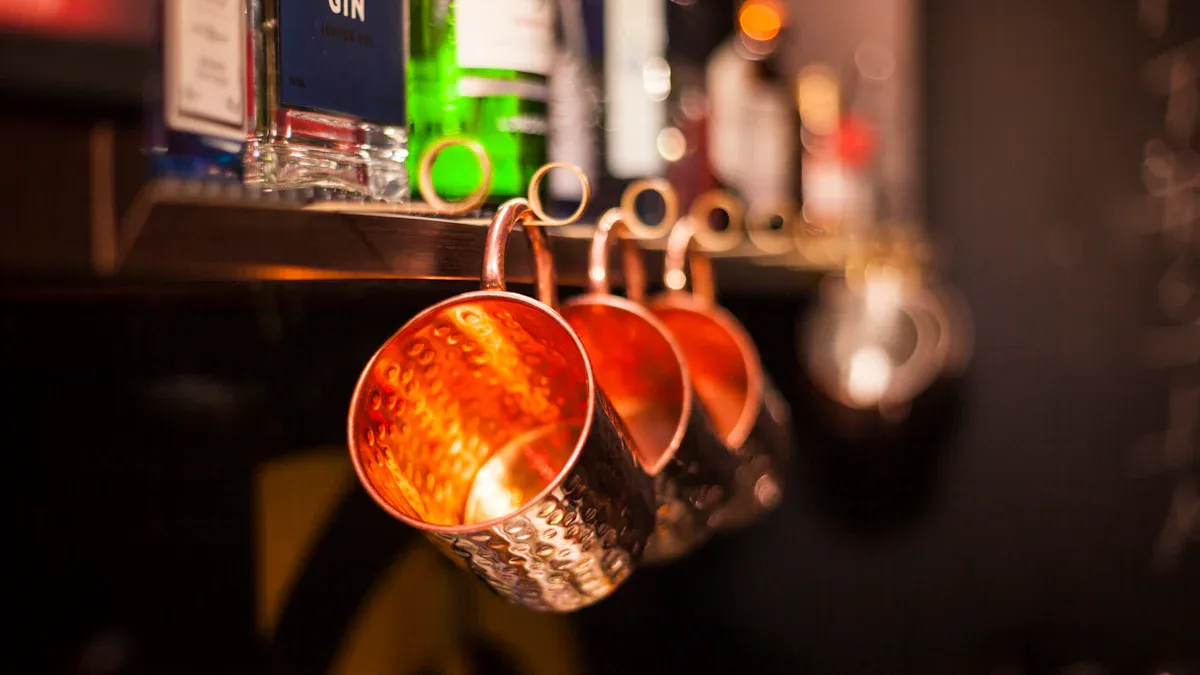
Copper lighting has a charm that’s hard to ignore. Its warm tones instantly make any room feel cozy and inviting. Whether you’re going for a rustic farmhouse vibe or a modern industrial look, a copper pendant light fits right in. The beauty of copper lies in its versatility. It pairs well with wood, stone, and even sleek, contemporary materials like glass or concrete.
One of the most fascinating things about copper is how it changes over time. As it ages, it develops a patina that adds depth and character. This natural process gives your pendant lights a unique, one-of-a-kind appearance. No two pieces of copper lighting will ever look exactly the same. If you love the idea of your lighting evolving with your home, copper is the way to go.
Copper also brings a sense of elegance to your space. Its rich, earthy tones create a focal point that draws the eye. Whether you hang a single copper pendant light over your dining table or cluster several in your kitchen, the result is always stunning. It’s not just lighting—it’s art.
Aesthetic Appeal of Other Metal Pendant Lights
Other metals like stainless steel, aluminum, and brass offer their own aesthetic appeal. Stainless steel pendant lights are sleek and modern. They’re perfect for minimalist spaces or industrial-style interiors. Their polished finish reflects light beautifully, adding a touch of sophistication.
Aluminum pendant lights are lightweight and come in a variety of finishes. You can find them in brushed, matte, or even painted options. They’re great if you want a pop of color or a more casual look. Brass, on the other hand, shares some similarities with copper. It has a warm tone and develops a patina over time. However, brass often leans more toward a traditional or vintage style.
Each metal has its own unique look and feel. Your choice depends on the vibe you want to create. If you’re after warmth and elegance, copper lighting is hard to beat. But if you prefer a sleek or colorful aesthetic, other metals might suit your style better.
Cost and Value
Cost of Copper Pendant Lights
Copper pendant lights are an investment in both style and durability. While they may cost more upfront, their long-term value makes them worth considering. On average, copper lighting fixtures range from $100 to $300, depending on the size and design. You’ll find that the price reflects the craftsmanship and the quality of the material. Copper’s natural resistance to corrosion means you won’t have to spend much on repairs or replacements over time.
Maintenance costs are also minimal. If you love the aged patina look, you won’t need to polish or clean them often. For those who prefer a shiny finish, cleaning copper is simple and inexpensive. A homemade solution of lemon juice and salt does the trick, saving you money on fancy cleaning products.
Copper pendant lights also add elegance to your space, making them a focal point in areas like your dining room or kitchen. Their timeless appeal ensures they won’t go out of style, which means you won’t feel the need to replace them for aesthetic reasons. When you consider their durability, low maintenance, and ability to enhance your home’s elegance, copper lighting offers excellent value for the price.
Cost of Other Metal Pendant Lights
Other metal pendant lights, like stainless steel, aluminum, and brass, offer a range of prices and maintenance costs. Stainless steel fixtures are typically priced between $50 and $200. They’re affordable and durable, but they don’t have the same warmth or evolving charm as copper. Aluminum pendant lights are even more budget-friendly, often starting at $30. However, they’re prone to scratches and dents, which might lead to higher maintenance costs over time.
Brass pendant lights are on the pricier side, often costing $150 to $400. Like copper, brass develops a patina, but it requires regular polishing to maintain its shine. This adds to the overall maintenance cost.
Tip: If you’re looking for a cost-effective option, stainless steel or aluminum might be a better fit. But if you value elegance and character, brass or copper lighting is worth the extra investment.
Here’s a quick comparison:
-
Durability: Metal lamps often last over 15 years.
-
Maintenance: Regular cleaning and polishing are needed to prevent rust or tarnish, especially in humid spaces.
-
Price Range: Metal pendant lights typically cost between $50 and $200, making them more affordable upfront but potentially costlier in maintenance.
Ultimately, your choice depends on your budget and how much effort you’re willing to put into upkeep. If you want lighting that combines affordability with durability, stainless steel or aluminum works well. But if you’re after elegance and long-term value, copper pendant lights are hard to beat.
Copper pendant lights strike the perfect balance between durability, timeless beauty, and long-term value. Their ability to age gracefully while requiring minimal upkeep makes them a standout choice.
Other metals, like stainless steel or brass, might suit you better if you’re working with a specific budget or style. Each material has its strengths, so it’s all about what fits your needs.
Tip: Think about your priorities—style, maintenance, or cost. That’ll help you choose the pendant light that’s just right for your space!
FAQ
What makes copper pendant lights more durable than other metals?
Copper resists corrosion naturally, even in humid spaces. It doesn’t rust and develops a protective patina over time. This makes it last longer compared to metals like aluminum, which can dent or scratch easily.
Can I use copper pendant lights outdoors?
Yes! Copper’s resistance to moisture and weather makes it a great choice for outdoor spaces. Over time, it develops a beautiful patina that enhances its charm. Just ensure proper installation to protect electrical components.
How do I clean copper pendant lights?
For a shiny look, mix lemon juice and salt. Gently rub it on the surface, rinse, and dry with a soft cloth. If you prefer the aged patina, just dust it occasionally with a microfiber cloth.
Are copper pendant lights eco-friendly?
Absolutely! Copper is 100% recyclable, which reduces waste. Its durability also means fewer replacements, making it a sustainable choice for your home.
Which metal is best for a modern design?
Stainless steel works best for modern spaces. Its sleek, polished finish complements minimalist and industrial styles. Copper, however, adds warmth and character, making it versatile for both modern and rustic designs.
Tip: Choose a metal that matches your room’s vibe and your personal style!